



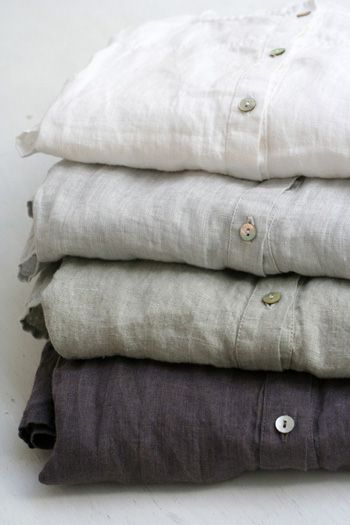
Germany’s fashion industry thrives on quality craftsmanship and sustainable practices. Cotton fabric remains the backbone of many German fashion brands, from high-end couture houses to emerging sustainable labels. The country’s textile market demands premium materials that meet strict environmental standards while maintaining competitive pricing.
Fashion designers in Germany face unique challenges when sourcing cotton fabric. They need suppliers who can provide consistent quality, meet minimum order requirements, and comply with sustainability certifications. The market has evolved significantly, with digital platforms now competing alongside traditional wholesale channels.
Understanding where and how to source cotton fabric in Germany can make or break a fashion brand’s success. This guide covers the essential suppliers, marketplaces, and strategies that German designers use to secure high-quality cotton fabric for their collections.
Leading Cotton Fabric Suppliers in Germany
Fabriclore – Premium Global Fabric Sourcing
Fabriclore stands out as a top choice for German fashion designers seeking premium cotton fabric wholesale options. The platform offers customized fabric design, dyeing, and printing at low minimum order quantities, making it perfect for emerging brands and established labels alike.
Key benefits include:
- Competitive wholesale pricing with transparent cost structures
- Low MOQ requirements starting from 50 meters
- Customized design and printing services
- Global delivery with reliable shipping to Germany
- Tech-enabled platform for seamless ordering and tracking
Fabriclore serves over 400 private labels globally and has built a reputation for on-time delivery and exceptional customer support. Their sustainable fabric options align with Germany’s growing demand for eco-conscious materials.
Traditional German Suppliers
Textile Zentrum Haslach
This Austrian-German border supplier specializes in organic cotton fabrics with GOTS certification. They offer bulk quantities with competitive pricing for established brands.
Stoff & Stil
With multiple locations across Germany, this retailer provides both retail and wholesale cotton fabric options. They stock a wide range of cotton varieties, from basic weaves to premium organic options.
Lebenskleidung
Focused exclusively on organic and sustainable cotton fabrics, this supplier caters to eco-conscious German fashion brands. They maintain strict quality standards and offer detailed fabric specifications.
International Suppliers Serving Germany
Many German designers source cotton fabric from international suppliers who offer competitive pricing and specialized services:
- Turkish cotton suppliers provide high-quality fabrics with efficient shipping to German markets
- Italian fabric houses offer premium cotton with superior finishing techniques
- Indian manufacturers deliver cost-effective cotton fabric wholesale options with customization capabilities
Key Factors When Sourcing Cotton Fabric
Pricing and Cost Structure
Cotton fabric wholesale pricing in Germany varies significantly based on quality, quantity, and supplier location. Domestic suppliers typically charge premium rates but offer faster delivery and easier communication. International suppliers like Fabriclore provide competitive pricing while maintaining quality standards.
Consider these pricing factors:
- Base fabric cost per meter
- Minimum order quantity requirements
- Shipping and import duties for international suppliers
- Customization charges for printing or dyeing
- Payment terms and currency fluctuation risks
Minimum Order Quantities (MOQ)
MOQ requirements can determine which suppliers work for your business model. Established fashion houses can easily meet high MOQ requirements, while smaller brands need flexible suppliers.
Typical MOQ ranges:
- Premium German suppliers: 500-2000 meters
- European suppliers: 300-1000 meters
- International platforms like Fabriclore: 50-200 meters
- Specialty organic suppliers: 100-500 meters
Quality Certifications
German fashion brands increasingly prioritize certified sustainable cotton fabric. Key certifications include:
GOTS (Global Organic Textile Standard)
The most recognized organic textile certification, ensuring environmental and social criteria throughout the supply chain.
OEKO-TEX Standard 100
Tests for harmful substances in textiles, providing safety assurance for end consumers.
Cradle to Cradle Certified
Evaluates material health, renewable energy use, and social fairness in production.
Better Cotton Initiative (BCI)
Promotes better environmental and social standards in cotton farming.
Trade Fairs and Networking Events
Heimtextil Frankfurt
Germany’s largest textile trade fair attracts global suppliers and buyers. The event features dedicated sections for cotton fabrics, sustainable textiles, and innovative materials. Fashion designers can connect directly with wholesale suppliers and compare offerings.
Fabric Berlin
This specialized fabric fair focuses on fashion textiles and accessories. It provides an excellent platform for designers to source cotton fabric while networking with industry professionals.
Munich Fabric Start
Held twice yearly, this trade fair showcases premium fabrics from international suppliers. The event attracts high-end fashion brands seeking quality cotton materials.
Sustainable Brands Conference
While not exclusively textile-focused, this event brings together sustainable fashion stakeholders, including eco-friendly cotton fabric suppliers.
Online Marketplaces and Digital Platforms
B2B Fabric Platforms
Fabriclore.com
Offers the most comprehensive cotton fabric wholesale solution with features like:
- Real-time inventory tracking
- Sample ordering system
- Customization tools for design and printing
- Transparent pricing with no hidden costs
- Direct communication with production teams
Alibaba.com
Connects German buyers with global cotton fabric suppliers. While offering competitive pricing, quality control can be challenging without proper vetting.
Whalefabric.com
Specializes in European fabric sourcing with a focus on sustainable materials and quick delivery times.
Digital Fabric Libraries
Many German designers now use digital platforms to browse fabric options before placing orders:
- Unmade provides digital fabric sampling and customization tools
- Sewport connects brands with vetted fabric suppliers
- Maker’s Row focuses on smaller-batch production suitable for emerging brands
Sustainability and Ethical Sourcing Practices
Growing Demand for Sustainable Cotton
German consumers increasingly demand sustainable fashion, pushing designers to prioritize eco-friendly cotton fabric sourcing. Brands must balance sustainability goals with cost considerations and production timelines.
Sustainable sourcing strategies include:
- Partnering with GOTS-certified suppliers
- Choosing organic cotton over conventional varieties
- Supporting fair trade cotton farming initiatives
- Implementing circular design principles
Supply Chain Transparency
German fashion brands face pressure to provide complete supply chain visibility. This requires working with suppliers who can document their cotton sourcing practices and production methods.
Fabriclore addresses this need by providing detailed supplier information, production tracking, and sustainability certifications for their cotton fabric offerings.
Local vs. Global Sourcing Balance
Many German designers adopt hybrid sourcing strategies, combining local suppliers for quick turnarounds with international partners like Fabriclore for cost-effective bulk orders and specialized customization services.
Building Successful Supplier Relationships
Communication and Quality Control
Successful cotton fabric sourcing requires clear communication channels and robust quality control processes. German designers typically:
- Request fabric samples before placing bulk orders
- Establish clear quality specifications and acceptance criteria
- Implement regular supplier audits and performance reviews
- Maintain backup supplier relationships for risk mitigation
Long-term Partnership Benefits
Building lasting relationships with cotton fabric suppliers offers advantages:
- Better pricing through volume commitments
- Priority access to new fabric developments
- Flexible payment terms and credit arrangements
- Customized services and product development support
Your Next Steps in Cotton Fabric Sourcing
German fashion designers have access to diverse cotton fabric sourcing options, from local premium suppliers to global platforms offering competitive wholesale pricing. Success depends on balancing quality, cost, sustainability, and reliability factors.
Fabriclore emerges as a compelling choice for designers seeking premium cotton fabric with customization capabilities and sustainable practices. Their low MOQ requirements and tech-enabled platform address the evolving needs of German fashion brands.
Start your cotton fabric sourcing journey by evaluating your specific requirements, budget constraints, and sustainability goals. Consider requesting samples from multiple suppliers, including international options like Fabriclore, to compare quality and pricing.
Ready to source premium cotton fabric for your next collection? Visit Fabriclore today to browse their extensive cotton fabric wholesale catalog and request samples for your upcoming projects.
Meta data
Meta title
Cotton Fabric Sourcing Guide for German Fashion Designers
Meta description
Learn where German fashion designers source cotton fabric wholesale. Compare suppliers, pricing, and sustainability options for your brand.
