



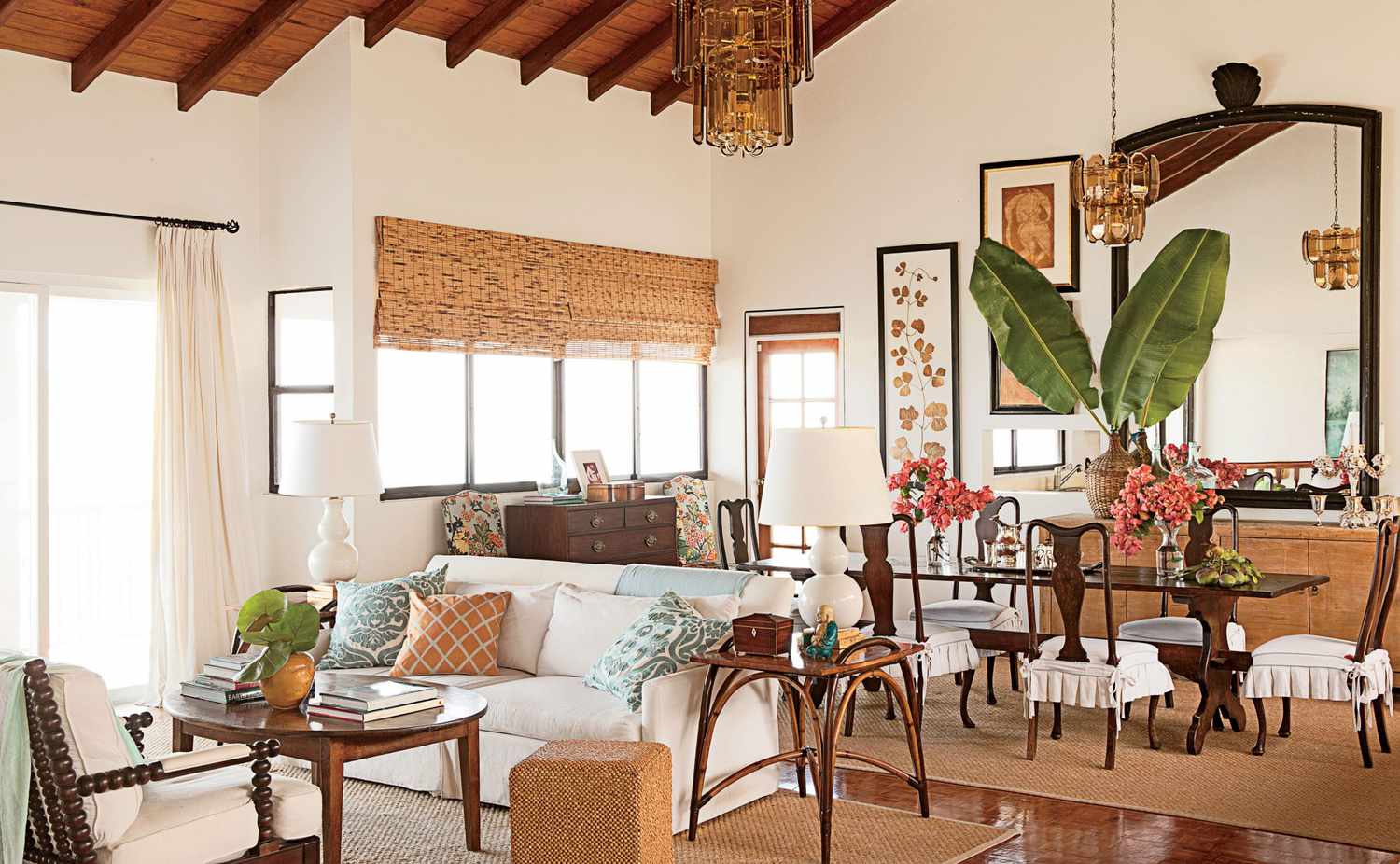
Imagine stepping into your home and being greeted by a lush burst of hibiscus, bird of paradise, and monstera blooms — bright, carefree, and forever in season. That’s the charm of artificial tropical flowers. They bring that warm, island breeze aesthetic without the fuss of watering, pruning, or worrying about light levels. In this post we’ll explore why artificial tropical flowers are such a powerful décor tool, how to choose truly convincing stems, styling tips to make them feel alive, maintenance shortcuts, and smart buying pointers so your space reads vibrant and natural — not fake and flat.
Why choose artificial tropical flowers?
Artificial tropical flowers are more than convenience — they’re a design hack.
- Always in bloom. No seasonal gaps or drooping leaves. Your living room, bathroom, or entryway can be permanently joyful.
- Low maintenance. No watering, no fertilizer, no sunlight requirements. Perfect for busy households, rental homes, or rooms with poor light.
- Durability. High-quality silk, latex, or polymer flowers withstand humidity and sun exposure better than many real plants in interior settings.
- Allergy-friendly. For people who react to pollen, artificial blooms deliver the look without the sniffles.
- Cost-effective long term. Premium faux stems can last years, making them cheaper than repeatedly replacing real plants or buying fresh cut flowers.
We love them for quick seasonal updates too — swap a few stems and your space feels like a tropical resort year-round.
What makes a faux tropical flower look realistic?
Not all artificial flowers are created equal. These are the traits that separate believable blooms from cheap-looking impostors:
- Material quality. Silk and high-grade polyester can mimic the subtle sheen and softness of real petals. Newer spray-latex or silicone finishes add texture and translucency that reads like natural petals.
- Subtle color variation. Real blooms have gradients, veins, and tiny imperfections. Look for stems with multi-tonal petals and detailed veining rather than flat, single-color plastics.
- Natural stems and joints. Real stems taper, have nodes, and aren’t perfectly straight. Flexible wire cores wrapped in tape or plastic allow stems to bend into lifelike forms.
- Realistic foliage. Tropical arrangements read as authentic when the leaves are proportionate and textured: think ribbed monstera leaves, glossy banana leaves, and fenestrations (the natural holes) on philodendron leaves.
- Scale & proportion. Oversized flowers in a tiny vase look theatrical. Balance bloom size with the container and the room scale.
If a stem feels unnaturally stiff, has an overpowering artificial sheen, or repeats the same color across every petal — put it back.
Choosing the right tropical blooms for your space
Here are classic tropical choices and where they shine.
- Hibiscus: Bold, colorful, and iconic. Great as single-stem focal points in a countertop vase or clustered in a large floor urn.
- Bird of Paradise: Sculptural and modern — ideal for minimal, contemporary rooms where you want a statement vertical element.
- Anthurium: Glossy, heart-shaped spathes add an elegant, slightly architectural touch; perfect for bedside tables or bathrooms.
- Heliconia & Ginger flowers: Dramatic shape and color; excellent in tall vases near entryways or in open-plan living rooms.
- Monstera & Banana leaves: Use as foliage to build a tropical backdrop or to fill large vessels without many flowers.
- Orchids (tropical varieties): Elegant and refined — great on consoles, shelves, or in kitchens for a hint of luxury.
Match the flower’s aesthetic to the room: go bold and sculptural for high-ceilinged spaces, delicate and tropical for intimate nooks.
Styling tips that make faux flowers feel lived-in
A few simple styling moves make artificial tropical flowers feel natural rather than staged.
- Use mixed textures. Combine glossy leaves (banana, monstera) with matte or softly veined petals (hibiscus) and slender grasses. Variation reads as real.
- Vary heights and depths. Avoid placing all stems at the same height or in a perfectly symmetrical arrangement. Stagger heights and angle stems slightly outward for depth.
- Add secondary elements. Include driftwood, smooth stones, woven raffia, or a single real twig to break the “all-synthetic” effect.
- Choose the right vase. Tall, narrow vases suit bird of paradise and heliconia. Wide, low ceramic bowls work for draped monstera leaves and hibiscus clusters. Rattan, bamboo, or aged terracotta vases amplify island vibes.
- Group in odd numbers. Clusters of three to five stems look more dynamic than pairs.
- Layer with textiles. Anchor your floral vignette with a tropical-print runner, seagrass placemat, or a brightly colored throw pillow to reinforce the theme.
- Integrate with lighting. Warm LED uplighting behind a tall arrangement can mimic sunlight and make leaves glow; string lights tucked into large urns add a holiday-meets-island vibe.
We recommend experimenting — sometimes a single oversized monstera leaf in a corner reads more luxe than a crowded bouquet.
Placement ideas by room
- Entryway: A tall arrangement (bird of paradise + banana leaves) makes a dramatic welcome.
- Living room: Use a medium bouquet on a coffee table or large floor vase beside a sofa. Swap stems seasonally to refresh the look.
- Dining table: Low, elongated centerpiece with hibiscus, anthurium, and trailing philodendron to avoid blocking sightlines.
- Bathroom: Humidity-resistant faux stems (latex or silicone-coated) near the tub or vanity create a spa-like atmosphere.
- Kitchen: Small potted faux orchids on the countertop or windowsill add color without taking up cooking space.
- Bedroom: Soft-toned hibiscus or orchids on the bedside table lend calm and romance.
Care & cleaning: keep them island-fresh
One major advantage is simple upkeep — but faux stems still need attention.
- Dust weekly. Lightly dust with a microfiber cloth or use a hairdryer on cool, low to blow away dust.
- Deep clean periodically. Wash silk/polyester stems in a solution of warm water and mild dish soap. Rinse and air-dry. For delicate latex or silicone finishes, wipe with a damp cloth and mild soap.
- Restore shape. Gently bend wire cores to reshape drooped stems; steam (briefly, and safely) can relax creases in some fabrics — test a small area first.
- Protect from direct UV. Even high-quality faux flowers can fade over long-term sun exposure. Use curtains or rotate displays occasionally.
- Storage. Store upright in a cool, dry place. Wrap delicate petals in tissue paper to prevent crushing.
A little care keeps them looking new for years.
DIY arrangements & hacks
Want a personalized look? Here are easy DIY ideas:
- Tropical runner centerpiece: Angle a base of monstera and banana leaves across the table, weave in hibiscus and anthurium, and nest low candles in between.
- Hanging tropical chandelier: Suspend a circular frame, attach faux trailing philodendron and orchids, and hang small pendants for a boho island light.
- Mini palm corner: Fill a tall basket with foam and anchor several palm stems at different heights for an instant statement plant.
- Beachy vase filler: Add sand, shells, and a few stems of coral ginger in a clear glass cylinder for a coastal accent.
Use floral foam or chicken wire inside vases to anchor stems and maintain your intended shape.
Where to buy (and what to avoid)
You’ll find faux tropical flowers in many places — local home décor stores, artisan markets, and online retailers. When shopping:
- Inspect product photos closely. Look for close-ups of petals and stems. Good listings show multiple angles and lifestyle photos.
- Read reviews. Look for comments about colorfastness, durability in humidity, and whether stems require assembly.
- Avoid extreme shine. If the product photos look plasticky or the leaves reflect light like a mirror, it will read fake.
- Prioritize return policies. If you’re unsure about scale or color, buy from retailers with generous returns.
- Consider mixing sources. Combine one high-quality focal bloom with more economical filler stems to balance cost and realism.
Local craft stores are great for experimenting; once you find a brand you like, invest in a few premium stems.
Environmental & ethical considerations
Artificial flowers are synthetic — typically made from polyester, plastics, or treated fabrics. If sustainability matters to you:
- Buy durable, repairable stems. Long-lasting pieces reduce turnover and waste.
- Look for recyclable packaging and brands that disclose materials.
- Combine with natural elements. Use reclaimed containers, local driftwood, or recycled glass to offset synthetic materials.
- Donate or repurpose. When you’re ready to change décor, donate usable faux stems to community theatres, schools, or charity shops.
Balancing aesthetics with conscious consumption makes your tropical décor feel better on every level.
Frequently Asked Questions
Q: Will artificial tropical flowers look tacky?
A: Not if you choose quality materials, vary texture and scale, and style them with natural elements. Realism comes down to subtlety — avoid over-bright or plasticky pieces.
Q: Can faux flowers be used outdoors?
A: Some are designed for covered outdoor spaces, but direct sun and rain can fade or damage most artificial stems. Use UV-resistant labeled products if you need outdoor durability.
Q: Do artificial flowers trap dust or smell over time?
A: They collect dust over time; regular cleaning prevents buildup and keeps them fresh. Unlike real plants, they won’t develop mold if kept dry.
Q: How do I make an artificial arrangement look more natural?
A: Mix heights, textures, and a few imperfect elements (leaning stems, slightly different colors). Add a real plant or natural props for contrast.
Final thoughts
Artificial tropical flowers are a deceptively powerful design tool. They let you capture the carefree joy of island living without the upkeep, while offering incredible flexibility in styling. With a few high-quality stems, attention to texture and scale, and smart placement, you can transform any room into a vibrant, island-inspired refuge. Whether you’re outfitting a beach house, apartment, or just craving a tropical mood, faux blooms are the simple secret to permanent paradise.
Want help choosing a specific arrangement for a room — tell me the room size, the color palette you prefer, and whether you want bold or subtle island vibes, and we’ll sketch a few tailored styling options.
