



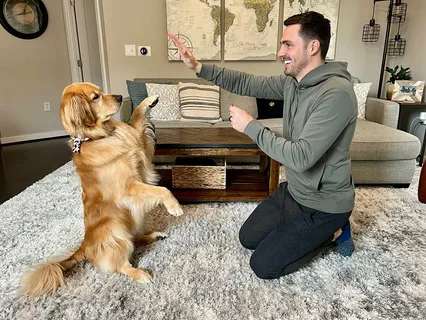
When you begin leash training a dog, it’s natural to want the process to feel smooth, comfortable, and rewarding for both you and your pet. At Rob’s Dog Training, we understand how important it is for you to feel confident and supported as you guide your dog toward better habits. In this article, we’ll walk through clear, encouraging steps you can take to build steady progress and create a walking routine that feels calmer and more enjoyable every day.
Walking your dog should be one of the simplest joys of ownership, yet many dog owners face challenges, pulling, zig-zagging, sudden stops, distractions, or nervous behaviors. These issues may feel overwhelming at first, but they can be addressed with patience, proper techniques, and consistent practice. The goal is to give you practical guidance so you can help your dog show better behavior on the leash, improve their outdoor confidence, and create genuinely pleasant walking experiences for both of you.
Understanding Why Dogs Struggle on the Leash
Before we talk about how we guide our dogs on walks, it helps to understand why some behaviors occur in the first place. Many dogs pull because they simply walk faster than we do. They get excited, curious, or sometimes anxious, especially if they’re young or haven’t had much exposure to the outside world.
Other common causes include:
- Overstimulation from sounds, scents, or movement
- Lack of structure or previous leash practice
- Fear-based behaviors, like staying too close or refusing to walk
- Inconsistent signals from owners who may unknowingly reward unwanted behavior
Once you know why these habits appear, it becomes easier to support your dog through them with calm direction and steady routines.
Choosing the Right Equipment for Daily Success
Your choice of leash and collar can influence your training progress. You don’t need complicated tools, just reliable, comfortable equipment that gives you steady control while keeping your dog safe.
Here’s what we usually recommend:
1. A standard flat collar or harness
Choose a well-fitted option that won’t slip off or create discomfort. A harness with a front clip can help reduce pulling because it redirects your dog’s body naturally.
2. A sturdy, non-retractable leash
A fixed-length leash, typically four to six feet, provides better guidance and helps your dog understand boundaries. Retractable leashes often create confusion because the distance keeps changing.
3. Treat pouch or pocket space
Treats are helpful for positive reinforcement. Keep them accessible so you can reward good behavior immediately.
The right tools won’t fix behavior on their own, but they give you the stability and consistency needed to teach proper habits.
Starting Indoors: Building Confidence in a Controlled Space
Before stepping outside, practicing indoors helps your dog learn the basics without distractions. Indoors, your dog can pick up cues quickly because the environment feels safe.
Practice simple steps such as:
- Encouraging your dog to walk beside you
- Rewarding them for staying close
- Helping them understand the pace you want
- Teaching them to sit calmly before moving forward
We suggest taking a few minutes each day to rehearse easy movements. When your dog succeeds indoors, it sets a strong foundation for outdoor sessions where distractions are more intense.
Creating a Calm, Structured Walking Routine
A consistent routine helps your dog understand what’s expected during a walk. Dogs thrive on repetition, so the more predictable the walk feels, the easier it becomes for them to focus.
1. Start with calm energy
Before heading out, encourage your dog to sit and relax at the door. Beginning the walk calmly reduces jumping, whining, or pulling right from the start.
2. Practice steady movement
Walk at a pace that feels comfortable, and allow your dog to follow your rhythm. If they surge forward, stop walking. When they return to your side, continue forward. This teaches them that pulling leads to pauses, while calm walking brings progress.
3. Reward positive behavior
When your dog walks beside you or checks in with eye contact, offer a treat or verbal praise. Positive reinforcement helps your dog understand exactly which actions you appreciate.
4. Keep sessions short
Shorter, more frequent walks often work better than long, tiring ones in the early stages. This prevents frustration and helps your dog stay focused.
Redirecting Pulling: Gentle Strategies That Work
Pulling is one of the most common leash issues. Here are simple methods that can help break the habit:
Pause Technique
Whenever your dog pulls, stop walking. Wait calmly. When the leash loosens, praise them and continue. Over time, your dog connects loose-leash walking with forward movement.
Change of Direction
If your dog pulls hard toward something, calmly turn and walk the opposite way. This keeps your dog attentive and teaches them that you set the direction.
Reward Positioning
Any time your dog walks near your side, reward them. You’re reinforcing the position you want instead of only reacting to the behavior you don’t want.
These steps take repetition, but they create strong habits when used consistently.
Helping a Nervous or Hesitant Dog
Not all dogs pull, some freeze or refuse to walk. Nervous behavior often comes from unfamiliar noises, new locations, or past negative experiences.
You can help your dog gain confidence by:
- Walking in low-distraction areas first
- Using a soft, calm voice to offer reassurance
- Allowing sniffing breaks, which reduces tension
- Praising even small moments of progress, like taking a few steps forward
Try to avoid rushing the process. When your dog feels supported and safe, steady progress becomes much easier.
Practicing Consistency at Home and Outside
Training works best when every member of the household follows the same rules. If multiple people walk the dog, make sure each person uses the same equipment, pace, commands, and expectations. This helps your dog learn faster because the structure doesn’t change from one walk to another.
Consistency extends beyond walking, praising calm behavior throughout the day, encouraging good manners, and maintaining predictable routines all contribute to better leash behavior.
When to Seek Professional Support
Some dogs need a little more guidance, and that’s completely normal. Professional trainers can help address specific challenges such as reactivity, fear-based behaviors, intense pulling, or difficulty focusing.
Working with experienced trainers gives you the assurance that your dog is receiving careful, individualized attention. It also helps you feel more confident in your own ability to guide your dog successfully.
Final Thoughts: Creating Better Walks for You and Your Dog
As you continue learning about leash training a dog, remember that patience, consistency, and positive reinforcement go a long way toward building calmer, smoother walks. At Rob’s Dog Training, we care about helping you feel supported through every step, and we’re here to guide you toward practical habits that make daily walks more peaceful and enjoyable. If you’d like more personalized support, feel free to visit us at https://robsdogs.com/ and take the next step toward better walking experiences for both you and your dog.
