



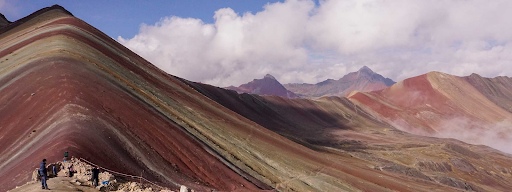
The Rainbow Mountain hike has rapidly become one of Peru’s most sought-after adventures, drawing thousands of trekkers annually to witness nature’s spectacular display of geological artistry. This challenging Rainbow Mountain Peru trek from Cusco takes you to one of the world’s most colorful natural wonders, where mineral-rich layers create vibrant stripes of red, turquoise, gold, and lavender across mountain slopes at over 5,000 meters elevation. Understanding what this demanding yet rewarding journey entails ensures you’re properly prepared for an experience that will undoubtedly rank among your most memorable travel achievements.
Understanding the Rainbow Mountain Hike
Rainbow Mountain, known locally as Vinicunca or Montaña de Siete Colores, remained relatively unknown to tourism until glacial retreat in recent years revealed its stunning mineral deposits. The Rainbow Mountain Peru trek from Cusco challenges hikers with extreme altitude, variable weather conditions, and sustained uphill climbing, yet the payoff of standing before this geological marvel makes every difficult step worthwhile.
The hike itself covers approximately 7 kilometers round trip, though the distance varies slightly depending on your starting trailhead. What makes this Rainbow Mountain hike particularly demanding isn’t the distance but rather the elevation, which reaches 5,200 meters at the viewpoint. At this altitude, oxygen levels drop to roughly 50% of what you’d experience at sea level, making every breath and step require considerably more effort than at lower elevations.
What to Expect on Your Rainbow Mountain Peru Trek from Cusco
Your adventure typically begins in the predawn darkness with pickup from your Cusco accommodation between 3:00 and 4:00 AM. The early departure allows you to reach the mountain during optimal viewing conditions before afternoon clouds potentially obscure the vibrant colors. The drive to the trailhead near Pitumarca takes approximately three hours, winding through the Vilcanota mountain range and passing traditional Andean villages where daily life continues much as it has for centuries.
Upon arriving at the staging area around 4,200 meters elevation, you’ll have breakfast before beginning the Rainbow Mountain hike. The trail starts relatively gently through an alpine valley where herds of alpacas and llamas graze against a backdrop of snow-capped peaks. Local families from nearby communities tend these animals, and you’ll often encounter herders in traditional colorful clothing along the route.
As you ascend, the landscape transforms dramatically. Vegetation becomes increasingly sparse, and the dramatic geology that makes this region famous becomes visible. Red Mountain (Montaña Roja) appears on your left, its iron oxide-rich slopes providing a preview of the colors awaiting at your destination. The final kilometer presents the steepest section, where switchbacks help manage the grade but cannot entirely eliminate the challenge of climbing at extreme altitude.
The Summit Experience
Reaching the Rainbow Mountain viewpoint delivers one of trekking’s most rewarding moments. The mountain’s famous stripes stretch across the slopes in vivid bands of color created by different mineral deposits laid down over millions of years. Red and pink hues come from iron oxide, yellows from iron sulfide, greens and turquoises from copper compounds, and purples from manganese and other minerals.
Most Rainbow Mountain Peru trek from Cusco tours allow 30 to 45 minutes at the summit for photography, rest, and appreciation of the 360-degree mountain panoramas. On clear days, you can see Ausangate, the highest peak in the Cusco region at 6,384 meters, dominating the skyline. The combination of Rainbow Mountain’s colors with surrounding glaciated peaks creates photographic opportunities that explain this destination’s explosive popularity on social media.
Professional guides accompanying the trek explain the geological processes creating these remarkable formations, point out features you might overlook, and share local legends about the sacred mountain. Many also discuss how climate change has affected the region, as the glacial retreat revealing Rainbow Mountain also represents broader environmental concerns.
Physical Preparation and Requirements
The Rainbow Mountain hike demands respect and preparation. While technically straightforward with no rock scrambling or technical sections, the altitude creates challenges that catch many trekkers unprepared. Even very fit individuals often struggle if they haven’t properly acclimatized or underestimate high-altitude exertion effects.
Optimal preparation includes spending at least two to three full days in Cusco before attempting this Rainbow Mountain Peru trek from Cusco. This acclimatization period allows your body to begin adjusting to reduced oxygen levels. Additional strategies include staying exceptionally well-hydrated, avoiding alcohol in the days preceding your trek, eating light, digestible meals, and considering consultation with your physician about altitude medication like acetazolamide (Diamox).
Physical conditioning enhances your experience significantly. In the weeks before your trip, focus on cardiovascular training through hiking, running, cycling, or stair climbing. Building leg strength through squats and lunges helps with the sustained uphill sections. However, remember that even Olympic athletes can struggle at 5,200 meters, so fitness alone doesn’t guarantee an easy experience.
Essential Packing List
Proper gear makes the difference between suffering through the Rainbow Mountain hike and enjoying it. Essential items include warm layered clothing as temperatures often drop below freezing even during daytime, waterproof jacket and pants regardless of season (weather changes rapidly in the mountains), comfortable, broken-in hiking boots with good ankle support and traction, warm hat and gloves (mornings are particularly cold), sun protection including high-SPF sunscreen, sunglasses, and lip balm (UV radiation intensifies dramatically at altitude), and trekking poles to reduce knee strain on descents and provide stability.
Bring sufficient water (at least 2 liters) as staying hydrated helps combat altitude sickness, high-energy snacks like nuts, chocolate, or energy bars, a camera with extra batteries (cold drains power rapidly), and small bills in Peruvian soles for optional horse rentals or tipping. Tour operators typically provide breakfast and lunch, though bringing supplemental snacks proves wise as appetite often decreases at altitude.
Best Time for the Rainbow Mountain Hike
The dry season from May through September offers optimal conditions for the Rainbow Mountain Peru trek from Cusco. These months provide the most reliable weather with clear skies that showcase the mountain’s colors brilliantly and trails that remain in better condition without muddy sections from rainfall. June and July represent peak season with the best weather but also the coldest temperatures and largest crowds.
Shoulder months of April and October deliver excellent compromises with still-favorable conditions, fewer trekkers on the trail, and potentially warmer temperatures. The wet season from November through March features afternoon rains that can obscure views and create challenging trail conditions, though the surrounding landscape appears more vibrant with green vegetation, and you’ll encounter far fewer people.
Regardless of season, morning typically provides the best visibility before afternoon clouds develop. This reality drives the early departure times that characterize most tours.
Tour Options and Considerations
Most Rainbow Mountain hike experiences operate as full-day tours from Cusco, though some operators offer multi-day options combining Rainbow Mountain with other destinations like Ausangate Lake or the Red Valley. Standard day tours include round-trip transportation, breakfast and lunch, professional guides, entrance fees, and basic first aid supplies.
Budget for optional horse rentals (usually available for $20-30 USD) if you want the option to ride during difficult sections. These horses, managed by local community members, can carry you partway up the mountain, though the final steepest section typically requires walking regardless.
Choose tour operators carefully, prioritizing those employing local guides, practicing responsible tourism by limiting group sizes, and supporting the communities through which you trek. The Rainbow Mountain region has experienced explosive tourism growth, and selecting ethical operators helps ensure this development benefits local residents.
Conclusion
The Rainbow Mountain hike represents one of Peru’s most challenging yet rewarding trekking experiences. This demanding Rainbow Mountain Peru trek from Cusco pushes physical limits while delivering visual rewards that few destinations worldwide can match. The combination of extreme altitude, dramatic Andean landscapes, and the geological wonder of the colorful mountain creates an adventure that tests your endurance while inspiring awe at nature’s artistic capabilities.
With proper acclimatization, realistic expectations about altitude effects, appropriate gear, and mental preparation for a challenging day, the Rainbow Mountain hike becomes an achievable goal for most reasonably fit travelers. The memory of standing at 5,200 meters before those vibrant mineral stripes, surrounded by glaciated peaks under a brilliant Andean sky, will remain vivid long after the muscle soreness fades, making every difficult step entirely worthwhile.
