



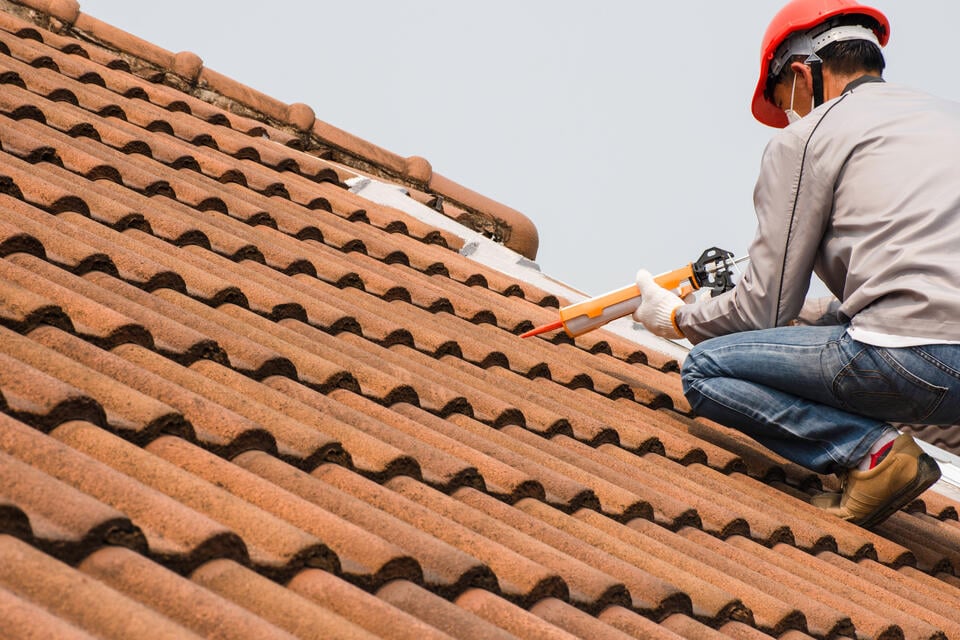
Tile roofs are known for their durability, but even the strongest roofing materials can develop leaks over time. Constant weather exposure, ageing components, and poor installation practices often lead to weak points where water can enter. This article explains why leaks occur in tile roofs and how professional tile roofers carry out proper roof leakage repair to restore long-lasting protection for your home.
Why Tile Roof Leaks Happen
Tile roof leaks typically occur due to cracked, loose, or missing tiles that allow rainwater to penetrate the underlying layers. Damaged ridge caps or flashing around chimneys, vents, and skylights are also common entry points. Over time, the waterproof underlayment can deteriorate, reducing its ability to repel moisture. Poor drainage from blocked gutters or incorrectly installed tiles can worsen leakage issues. DIY fixes often create bigger problems. Identifying the exact root cause is essential before repairs begin, ensuring long-term and reliable results.
Signs You May Need Roof Leakage Repair
Early symptoms of a leaking tile roof often appear inside the home. Water stains, wet patches, or yellowing marks on ceilings and walls indicate moisture infiltration. Mould, mildew, or musty odours suggest hidden moisture trapped behind walls or insulation. Dripping sounds during rainfall are a strong sign of an active leak. You may also notice peeling paint, bubbling plaster, or damp wall surfaces. In severe cases, rotten timber beams, rusted metal brackets, or sagging ceiling boards point to prolonged water exposure. Detecting these warning signs early helps prevent costly structural damage and protects your home’s safety.
How Expert Tile Roofers Diagnose the Leak
Professional tile roofers begin with a thorough on-site inspection, examining tiles, flashing, ridge caps, and gutters for visible damage. They may use thermal imaging or moisture detection devices to pinpoint hidden leaks. Roof specialists carefully lift tiles to inspect the waterproof membrane, roof decking, and structural layers beneath. This helps determine whether the issue is isolated to one location or part of a wider problem affecting the entire roof. Expert assessment is crucial; guessing or patching leaks without understanding the cause often leads to recurring issues.
How Tile Roofers Repair Roof Leakage
Replacing Damaged or Missing Tiles
Broken or missing tiles are replaced with matching materials, ensuring proper alignment and sealing.
Repairing Roof Bedding and Rebedding Ridge Tiles
Loose or deteriorated ridge caps are reset and re-bedded with fresh mortar or flexible compounds to prevent water seepage.
Fixing Flashing Around Skylights, Chimneys, and Vents
Flashing is a common weak point. Roofers repair or replace corroded, cracked, or improperly installed flashing to block water entry.
Waterproof Coating or Membrane Reinforcement
For widespread moisture issues, roofers apply waterproof membranes or coatings across large areas to strengthen long-term weather protection.
Gutter Cleaning and Drainage Improvements
Clearing clogged gutters and improving downpipe flow prevents overflow and water pooling on the roof.
In cases of severe deterioration, partial or full roof restoration may be recommended.
Preventive Maintenance Tips
Schedule annual tile roof inspections to catch early wear and tear. Keep gutters clean to prevent water overflow. Replace cracked or broken tiles as soon as possible to avoid leaks. Consider periodic resealing or applying waterproof coatings to maintain long-lasting protection. Avoid DIY repairs; stepping on tiles incorrectly can cause additional damage and create new leak points.
Protect Your Home with Professional Tile Roof Repairs
Timely and professional roof leakage repair prevents structural damage, mould problems, and costly restoration work. If you spot leaks, damaged tiles, or water stains, don’t delay. Contact certified MVM Roofing for a thorough inspection and reliable long-term repair solution.
