



Cold aisle containment is widely used in data centres and controlled environments to maintain stable temperatures and improve cooling efficiency. However, proper containment alone is not enough; maintaining clean, particle-controlled air is critical to preventing equipment failure and contamination. This article explains how particle count testing ensures compliance, operational reliability, and long-term performance within cold aisle containment systems.
What Is Cold Aisle Containment?
Cold aisle containment is a system designed to separate cold intake air from hot exhaust air, preventing air mixing and ensuring efficient cooling. It is commonly used in data centres, cleanrooms, and specialised technical environments that require precise airflow management. By directing cold air exactly where it is needed, the system lowers energy costs, improves cooling effectiveness, and extends equipment lifespan.
Because containment relies on controlled conditions, regular verification of air quality through particle count tests is essential to ensure compliance with operational and industry standards.
What Is Particle Count Testing?
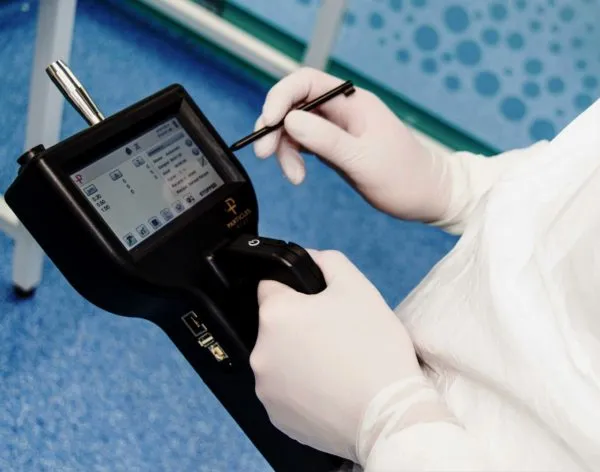
A particle count test measures the concentration and size of airborne particles, including dust, fibres, metallic fragments, and other contaminants, using sensitive, calibrated instruments. These tests detect contamination sources that are not visible to the naked eye.
Common tools include laser particle counters, sampling probes, and environmental monitoring systems. Particle testing is used during routine facility checks, pre-installation planning, post-cleaning validation, and ongoing environmental control procedures.
Why Particle Testing Matters for Cold Aisle Containment
Protects Sensitive IT Equipment
Airborne particles can settle on servers, circuit boards, and internal components, increasing the risk of overheating, blocked airflow, electronic malfunctions, and system failure.
Verifies Airflow and Containment Effectiveness
Particle testing confirms whether cold aisle containment barriers, doors, and seals are working correctly. It helps identify whether contaminated air is bypassing containment structures or entering through leaks.
Supports Operational Compliance
Many facilities operate under strict standards such as ISO 14644 or internal cleanroom-grade air quality requirements. Particle testing provides measurable data to demonstrate compliance during audits or performance evaluations.
Detects Contamination Sources Early
Testing helps uncover issues such as deteriorating flooring materials, zinc whiskers, construction debris, filter leaks, or insufficient cleaning routines. Early detection allows teams to address risks before they impact operations.
Improves Cost Efficiency
Clean airflow improves cooling efficiency and reduces strain on HVAC components. Preventing contamination lowers the risk of downtime, equipment repair costs, and wasted energy due to obstructed cooling pathways.
When and How Often Testing Should Be Done
Particle count testing is recommended at several key stages:
- During the installation or commissioning of cold aisle containment systems
- After major maintenance, equipment relocation, or facility renovation
- On a scheduled basis, monthly, quarterly, or annually, depending on the environment classification
- More frequently in high-density rack zones or high-traffic areas
Some advanced facilities also use continuous particle monitoring for real-time contamination alerts.
Additional Best Practices for Compliance
To support effective cold aisle containment and maintain clean air quality:
- Use HEPA-filtered vacuum cleaning and proper facility cleaning protocols
- Conduct routine HVAC maintenance and replace filters as required
- Avoid particle-shedding materials during installation or construction
- Perform regular audits and maintain thorough documentation
These practices strengthen environmental control and ensure long-term compliance.
Ensure Clean, Efficient, and Compliant Containment
Particle count testing is essential for verifying cold aisle containment performance, protecting sensitive equipment, and meeting regulatory requirements. Consistent monitoring reduces operational risks and safeguards your infrastructure investment.
Schedule a particle count assessment with Data Clean Asia today to ensure your cold aisle containment remains clean, efficient, and fully compliant.
