



Food processors have become a staple in many Singapore homes and small F&B setups, thanks to their convenience and ability to speed up meal prep. But with more people cooking in larger batches or running home-based businesses, a common question arises: stick to a regular food processor or upgrade to a commercial food processor? This guide compares their functionality, cost, performance, and suitability to help buyers make the right choice.
What a Standard Food Processor Offers
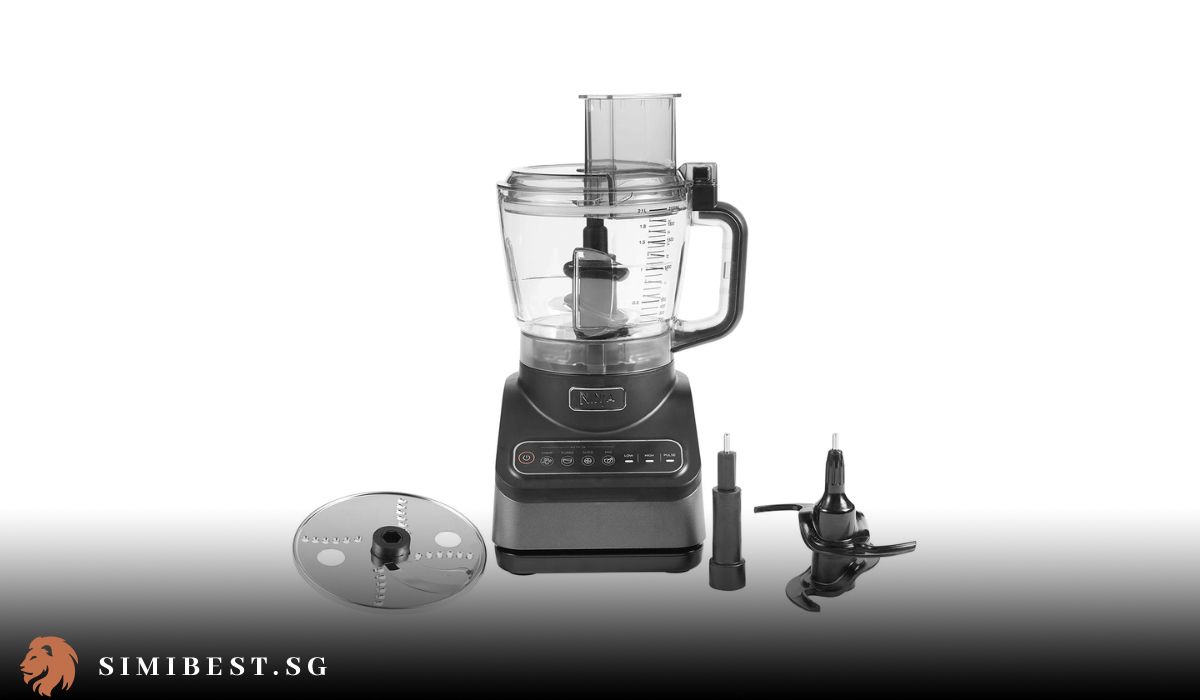
A standard food processor in Singapore typically handles everyday tasks such as chopping, mincing, shredding, slicing, kneading, and pureeing. It’s designed for small to medium batches, making it ideal for households or casual home cooks. These processors come with multiple attachments, are compact in size, and are generally easy to clean and maintain. However, they may struggle with tougher ingredients, extended continuous use, or larger food volumes, especially when preparing meals back-to-back.
What Makes a Commercial Food Processor Different
A commercial food processor is engineered with far more power and durability than a standard model. With stronger motors, reinforced blades, and larger bowl capacities, they are built for continuous operation and high-volume food production. These machines are perfect for restaurants, catering services, home-based food businesses, and even advanced home cooks who do bulk meal prep.
Commercial models tend to be heavier, louder, and larger in size due to their industrial-grade build. But the trade-off is superior performance, faster processing speed, and greater long-term reliability.
Pros & Cons Comparison
| Feature | Home Food Processor | Commercial Processor |
| Capacity | Small–medium | Medium–large |
| Durability | Light to moderate use | Built for heavy continuous use |
| Versatility | Multi-purpose, many attachments | Often specialised but extremely powerful |
| Price | Affordable | Higher investment |
Home food processors are easier to clean, lighter to move, and cheaper to repair. Commercial units offer superior longevity but require more careful cleaning, blade maintenance, and occasionally more expensive replacement parts.
When a Commercial Food Processor Makes Sense
Upgrading to a commercial food processor is worthwhile if you:
- Cook or meal-prep in large batches every week
- Run a home-based F&B business, café, catering service, or bakery
- Need fast, consistent processing speeds for large quantities
- Want a highly durable machine that handles heavy workloads
Its power and efficiency can significantly reduce prep time and improve overall workflow.
When a Standard Food Processor Is Enough
A standard food processor in Singapore is perfectly suitable if you:
- Live in a small household
- Only prepare small or occasional meals
- Have limited countertop or storage space
- Prefer a versatile, multi-function appliance rather than specialised equipment
- Are working within a smaller budget
For everyday cooking, a regular processor handles most recipes just fine.
Cost, Space & Maintenance Considerations
Commercial machines come with a higher price tag and take up more counter and storage space. They may also use more power and require more thorough cleaning. Before investing, consider how often you cook, whether your kitchen can accommodate the machine, and the availability of spare parts and warranty coverage.
Choose Based on Function, Not Hype
Choosing between a standard and a commercial food processor depends on your cooking volume, kitchen size, and long-term needs. Regular processors suit most households, while commercial models are built for high-capacity, frequent use.
Evaluate your cooking habits and decide whether speed, power, and durability justify the upgrade before you buy.
