



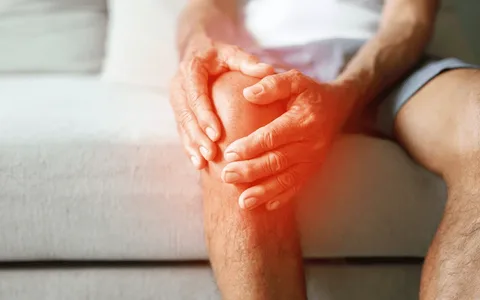
Physical progress often comes with physical strain. Training routines, recreational sports, and even active jobs place repeated stress on joints that are not always given time to recover. Over time, inflammation builds quietly, turning everyday movement into persistent discomfort that often leads people to search for a sports medicine doctor near me.
Persistent Knee Pain from Running or Jumping Activities
Knee inflammation linked to running or jumping usually starts beneath the kneecap or along the joint line. Repeated impact forces travel upward through the leg, stressing cartilage, tendons, and surrounding soft tissue. Without proper recovery, microscopic damage accumulates and causes swelling that limits range of motion and stability.
What makes knee inflammation difficult is how easily it becomes chronic. Pain may fade during warm-up but return after activity or the next morning. An experienced sports medicine doctor understands how training volume, footwear, surface type, and muscle imbalance contribute to this pattern and why rest alone rarely resolves it.
Shoulder Irritation After Repetitive Overhead Motion
Overhead motion places the shoulder in a vulnerable position. Sports such as baseball, swimming, and weightlifting repeatedly compress the joint while demanding stability. Inflammation often develops within the rotator cuff or surrounding bursae, creating sharp or dull pain during lifting or rotation.
As irritation progresses, shoulder movement becomes less fluid. Weakness, clicking, or reduced strength may appear even during simple tasks. Orthopedic sports medicine focuses on identifying whether the inflammation stems from overuse, joint instability, or tendon irritation, which determines the most effective treatment approach.
Ankle Swelling Following Twist or Impact Injuries
Ankle inflammation commonly follows sudden twisting or direct impact. Ligaments stretch or tear, triggering swelling that can linger long after visible bruising fades. Even mild sprains may cause joint inflammation that alters walking mechanics.
Ignoring ankle swelling often leads to repeated injury. Restricted motion and poor balance increase strain on surrounding joints. A sports medicine doctor near me evaluates joint stability and soft tissue healing to reduce the risk of long-term ankle weakness.
Elbow Discomfort from Frequent Gripping or Lifting
Elbow inflammation often develops gradually through repetitive gripping or lifting. Activities like weight training, manual labor, or racket sports strain tendons that attach near the elbow joint. Swelling in this area causes pain during extension or rotation.
Over time, inflammation may affect grip strength and coordination. Pain often spreads beyond the elbow, affecting wrist and forearm movement. Orthopedic sports medicine addresses both tendon health and movement mechanics to prevent recurring strain.
Hip Soreness Linked to Long Walking or Cycling Sessions
The hip joint absorbs force with every step or pedal stroke. Extended walking or cycling can inflame muscles and connective tissue around the joint, especially when posture or alignment is off. Hip inflammation often presents as deep soreness rather than sharp pain.
Because hip discomfort develops slowly, it is often overlooked. Reduced flexibility and altered stride patterns place additional stress on the lower back and knees. A sports medicine doctor evaluates gait, muscle balance, and joint loading to address inflammation before it disrupts mobility.
Wrist Pain After Falls or Repetitive Hand Use
Wrist inflammation may occur after a fall or repetitive hand use such as typing, lifting, or sports equipment handling. Small joints and tendons in the wrist react quickly to trauma, leading to swelling that limits grip and rotation.
Left untreated, wrist inflammation can interfere with daily tasks and athletic performance. Subtle instability or tendon irritation may worsen over time. Orthopedic sports medicine focuses on preserving joint function while managing inflammation effectively.
Achilles Tendon Strain with Sudden Increases in Activity
The Achilles tendon endures high loads during running, jumping, and sprinting. Sudden increases in training intensity place excessive stress on the tendon, triggering inflammation along its length. Pain often appears during push-off or uphill movement.
This type of inflammation responds poorly to continued training. Tightness, stiffness, and thickening may develop, increasing the risk of rupture. A sports medicine doctor near me can determine whether symptoms reflect early strain or a progressing tendon condition.
Inflammation Around the Heel from Hard Surfaces
Heel inflammation often results from repeated contact with hard surfaces. Walking or training on unforgiving ground stresses the tissues surrounding the heel bone. Swelling may extend into the arch, causing discomfort with each step.
Foot structure plays a role in how force is distributed. Improper support or worn footwear can worsen inflammation. Orthopedic sports medicine evaluates pressure patterns to reduce strain and restore comfort.
Joint Stiffness After Prolonged Training Without Rest
Joint stiffness is often the first sign of inflammation overload. Continuous training without rest prevents tissues from repairing properly. Stiffness may be most noticeable after inactivity or upon waking.
Over time, stiffness turns into persistent swelling and reduced flexibility. Joints lose their natural glide, making movement feel restricted. A sports medicine doctor helps balance training demands with recovery strategies that protect joint health.
Inflammatory joint conditions require more than short-term relief. Dr Boyett provides sports medicine care that focuses on accurate diagnosis, personalized treatment plans, and long-term joint preservation, helping patients return to movement with greater confidence and reduced risk of recurring inflammation.
