



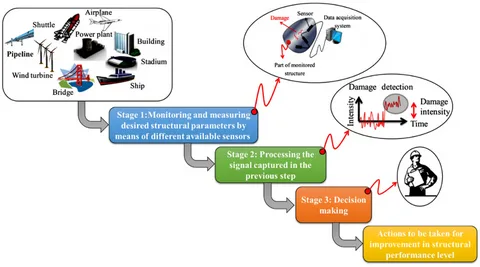
Smart cities rely heavily on advanced technologies to ensure infrastructure safety, efficiency, and sustainability. Among these technologies, structural monitoring sensor play a critical role in tracking the health and stability of buildings, bridges, tunnels, and other essential infrastructure. The concept of Structural Monitoring Sensor Applications in Smart Cities is becoming increasingly important as urban areas expand and infrastructure becomes more complex. These sensors provide real-time data that helps engineers and city planners make informed decisions about maintenance, safety, and long-term urban development.
Understanding Structural Monitoring Sensors
Structural monitoring sensors are specialized devices designed to measure physical changes within structures. These sensors monitor factors such as vibration, strain, displacement, temperature, and tilt. By collecting and analyzing this data continuously, engineers can detect potential structural issues before they turn into serious problems.
In modern urban environments, Structural Monitoring Sensor Applications in Smart Cities allow authorities to maintain critical infrastructure more effectively. Instead of relying solely on manual inspections, cities can now use automated monitoring systems that provide constant updates on structural performance.
Enhancing Infrastructure Safety
One of the primary benefits of structural monitoring sensors is improved safety. In densely populated smart cities, infrastructure failure can have severe consequences. Sensors installed in bridges, skyscrapers, and public transportation systems help identify early warning signs such as cracks, unusual vibrations, or material fatigue.
Through Structural Monitoring Sensor Applications in Smart Cities, city authorities can respond quickly to emerging risks. Real-time alerts allow maintenance teams to address issues promptly, preventing accidents and reducing the likelihood of costly structural failures.
Supporting Smart City Data Ecosystems
Smart cities depend on data-driven decision-making, and structural monitoring sensors contribute valuable information to urban management systems. These sensors integrate with IoT networks and centralized monitoring platforms, allowing city officials to view infrastructure conditions across multiple locations simultaneously.
By incorporating Structural Monitoring Sensor Applications in Smart Cities, municipalities can create a comprehensive digital infrastructure map. This data helps planners schedule maintenance, allocate resources efficiently, and predict infrastructure lifespan using advanced analytics.
Improving Maintenance and Cost Efficiency
Traditional infrastructure maintenance often relies on routine inspections, which can be time-consuming and expensive. Structural monitoring sensors reduce these costs by enabling predictive maintenance strategies. Instead of waiting for visible damage, engineers can intervene as soon as data indicates unusual structural behavior.
With Structural Monitoring Sensor Applications in Smart Cities, maintenance becomes more targeted and efficient. This approach minimizes unnecessary repairs, extends the lifespan of infrastructure, and significantly reduces operational costs for city governments.
The Future of Smart Urban Infrastructure
As urban populations continue to grow, smart cities will increasingly depend on advanced monitoring technologies. Structural monitoring sensors will play a vital role in ensuring that infrastructure remains safe, resilient, and sustainable.
The expansion of Structural Monitoring Sensor Applications in Smart Cities will also support innovations such as AI-based infrastructure analysis, automated maintenance systems, and digital twin models of entire urban environments. These advancements will help cities manage complex infrastructure networks more effectively while improving safety and efficiency.
Conclusion
Structural monitoring sensors are transforming the way cities manage their infrastructure. By providing continuous data on structural health, these sensors help prevent failures, reduce maintenance costs, and enhance public safety. As smart city technologies continue to evolve, Structural Monitoring Sensor Applications in Smart Cities will remain a key component in building safer, smarter, and more sustainable urban environments.
