



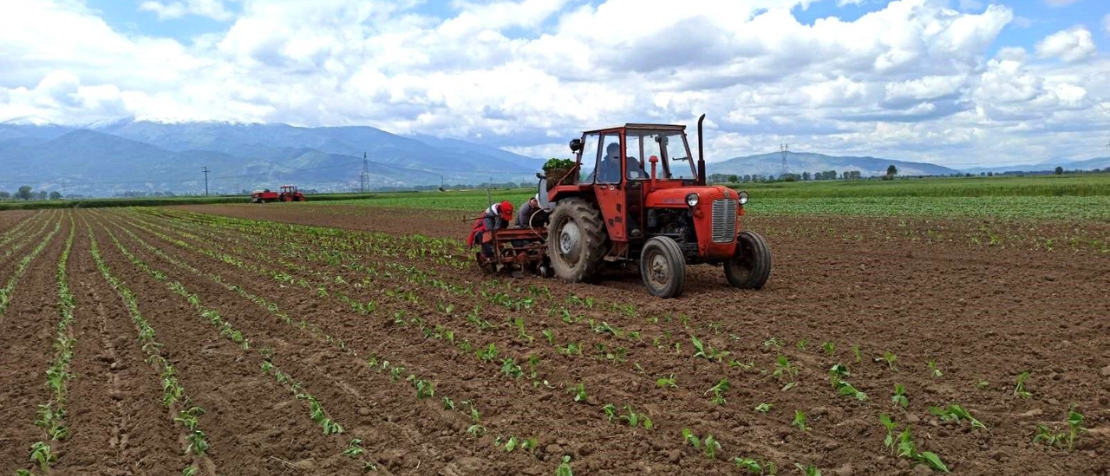
Agricultural success depends heavily on how well the land is prepared before cultivation begins. Proper land preparation removes physical barriers, improves soil conditions, and creates an environment where crops can grow more efficiently. One of the most important early-stage practices in this process is lot clearing, which involves removing unwanted vegetation, debris, rocks, and other obstructions from farmland. When done correctly, it lays the foundation for higher productivity and long-term soil health.
Improved Soil Quality and Structure
One of the biggest advantages of proper land preparation is the improvement of soil quality. When land is cleared of bushes, roots, and decaying plant matter, farmers can better assess and manage soil conditions.
By removing unwanted materials through effective lot clearing, the soil becomes easier to till and aerate. This enhances root penetration and allows crops to access nutrients more efficiently. In the long run, it also helps reduce soil compaction, which is a common problem in untreated fields.
Better Water Management and Drainage
Efficient water use is essential for agriculture, especially in regions where rainfall is irregular. Properly prepared land allows water to distribute evenly across the field instead of pooling in obstructed areas.
When lot clearing is done thoroughly, natural drainage paths become more visible and functional. This reduces the risk of waterlogging, soil erosion, and crop damage. As a result, farmers can achieve more consistent irrigation and healthier crop growth.
Increased Efficiency of Farming Equipment
Modern agriculture relies heavily on machinery for plowing, planting, and harvesting. However, equipment performance can be significantly affected by uneven or obstructed land.
Cleared land ensures that tractors and other machines can move smoothly without interruptions caused by tree stumps, rocks, or dense vegetation. Through proper lot clearing, farmers reduce equipment wear and tear, lower maintenance costs, and improve overall operational efficiency.
Enhanced Crop Yield and Plant Growth
When land is properly prepared, crops have a stronger start. With fewer obstacles competing for nutrients and sunlight, plants can grow more uniformly and vigorously.
The removal of weeds and invasive plants during lot clearing also reduces competition for essential resources such as water, minerals, and sunlight. This directly contributes to higher crop yields and better-quality produce.
Environmental and Long-Term Sustainability Benefits
Sustainable farming practices begin with responsible land management. Proper clearing methods help preserve topsoil, prevent unnecessary deforestation, and maintain ecological balance.
When done thoughtfully, lot clearing minimizes environmental disruption while still preparing the land for productive use. It also allows farmers to plan crop rotation and land use more effectively, ensuring long-term soil fertility.
Improved Planning and Land Utilization
A clean and well-prepared field gives farmers a clear view of their land’s potential. They can better divide plots, plan irrigation systems, and allocate space for different crops.
This clarity, achieved through structured lot clearing, supports smarter agricultural decision-making. Farmers can maximize land use without wasting space or resources.
Conclusion
Proper land preparation is a critical step in achieving agricultural efficiency. From improving soil health and water management to enhancing machinery performance and crop yield, the benefits are extensive.
Lot clearing plays a central role in this process by transforming raw, obstructed land into productive farmland. When carried out correctly, it not only boosts immediate productivity but also supports long-term sustainability and agricultural success.
