



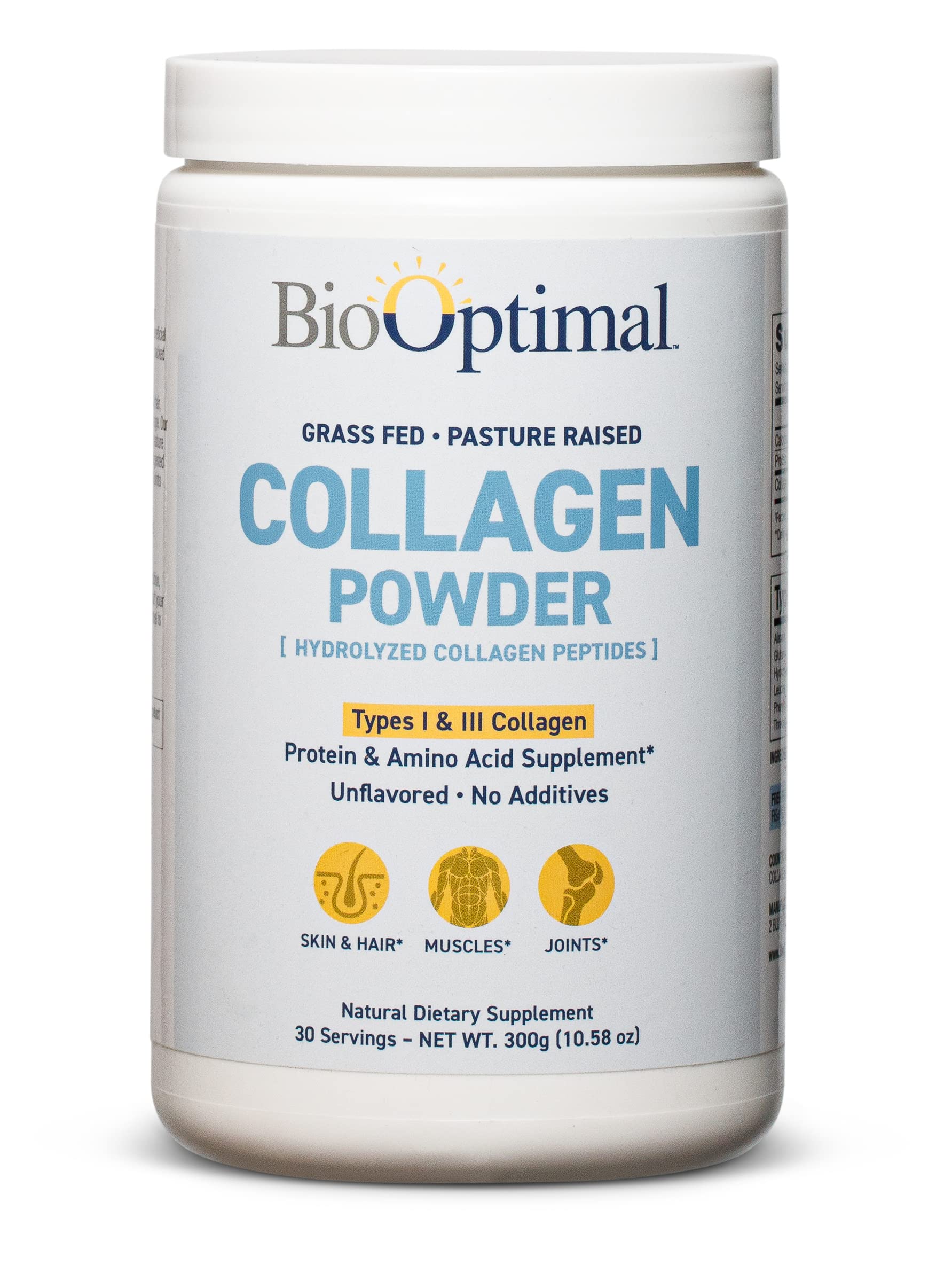
As collagen supplements continue to gain popularity for supporting skin, joint, and overall wellness, consumers are becoming increasingly aware of product safety—especially regarding contaminants. One of the most searched concerns today is biooptimal collagen powder heavy metals and whether collagen products are truly free from harmful substances. Understanding how heavy metals relate to collagen supplements is essential for making informed purchasing decisions.
Why Heavy Metals Are a Concern in Collagen Supplements
Heavy metals such as lead, mercury, cadmium, and arsenic can be present in the environment and may enter the food chain. Since collagen is typically derived from animal sources like bovine hides or marine sources, there is a possibility of trace contamination if sourcing and processing are not carefully controlled.
While the presence of heavy metals in small amounts is sometimes unavoidable due to environmental exposure, reputable manufacturers ensure that levels remain well within established safety standards.
Are Collagen Supplements Safe to Consume?
The safety of collagen supplements largely depends on how they are sourced, processed, and tested. High-quality collagen products undergo rigorous purification methods designed to remove impurities and contaminants.
Reputable brands implement:
- Strict sourcing from clean, regulated environments
- Advanced filtration and hydrolysis processes
- Comprehensive testing for contaminants
- Compliance with regulatory safety standards
When these measures are in place, collagen supplements are generally considered safe for daily use.
Understanding Heavy Metal Testing
Third-party testing is one of the most important indicators of supplement quality. Independent laboratories analyze products to ensure that heavy metal levels fall below acceptable limits set by regulatory bodies.
These tests typically evaluate:
- Lead levels
- Mercury content
- Arsenic presence
- Cadmium concentration
Transparent brands often make these test results available or ensure their products meet stringent safety benchmarks.
The Importance of Sourcing and Manufacturing
Not all collagen supplements are created equal. The origin of the raw materials plays a significant role in determining product purity. Collagen sourced from grass-fed, pasture-raised animals or from clean marine environments is less likely to contain harmful contaminants.
Additionally, manufacturing practices such as Good Manufacturing Practices (GMP) certification help ensure consistent quality and safety throughout production.
Benefits of Choosing High-Quality Collagen
When safety and purity are prioritized, collagen supplements can provide a wide range of health benefits:
- Improved skin elasticity and hydration
- Support for joint and bone health
- Strengthened hair and nails
- Enhanced recovery for active lifestyles
These benefits are best achieved when using a product that is both high-quality and properly tested.
How to Evaluate a Collagen Product
Consumers should consider several factors when selecting a collagen supplement:
- Transparency
Look for brands that clearly communicate their sourcing and testing processes. - Certifications
Check for GMP certification or other quality assurance standards. - Ingredient Simplicity
Products with fewer additives are often easier to evaluate for safety. - Reputation
Established brands with positive customer feedback are more likely to maintain high standards.
Addressing Common Misconceptions
There is a common misconception that all collagen products contain harmful levels of heavy metals. In reality, high-quality supplements are carefully tested and regulated to ensure safety.
Another misconception is that marine collagen is always riskier than bovine collagen. While marine sources can be exposed to environmental pollutants, proper sourcing and testing can effectively mitigate these risks.
Why Quality Matters More Than Price
While lower-cost collagen products may be appealing, they may not always meet the same quality and safety standards as premium options. Investing in a well-tested product ensures that you are not only supporting your health goals but also minimizing potential risks.
For health-conscious individuals, the value of a safe and reliable supplement far outweighs the cost savings of lower-quality alternatives.
Final Thoughts
Understanding the relationship between collagen supplements and heavy metals is key to making informed decisions. While trace contamination is a valid concern, reputable brands prioritize rigorous testing, clean sourcing, and transparent practices to ensure product safety.
For those seeking high-quality collagen supplements that emphasize purity, safety, and effectiveness, BioOptimal Supplements offers trusted options designed to support long-term wellness with confidence.
