



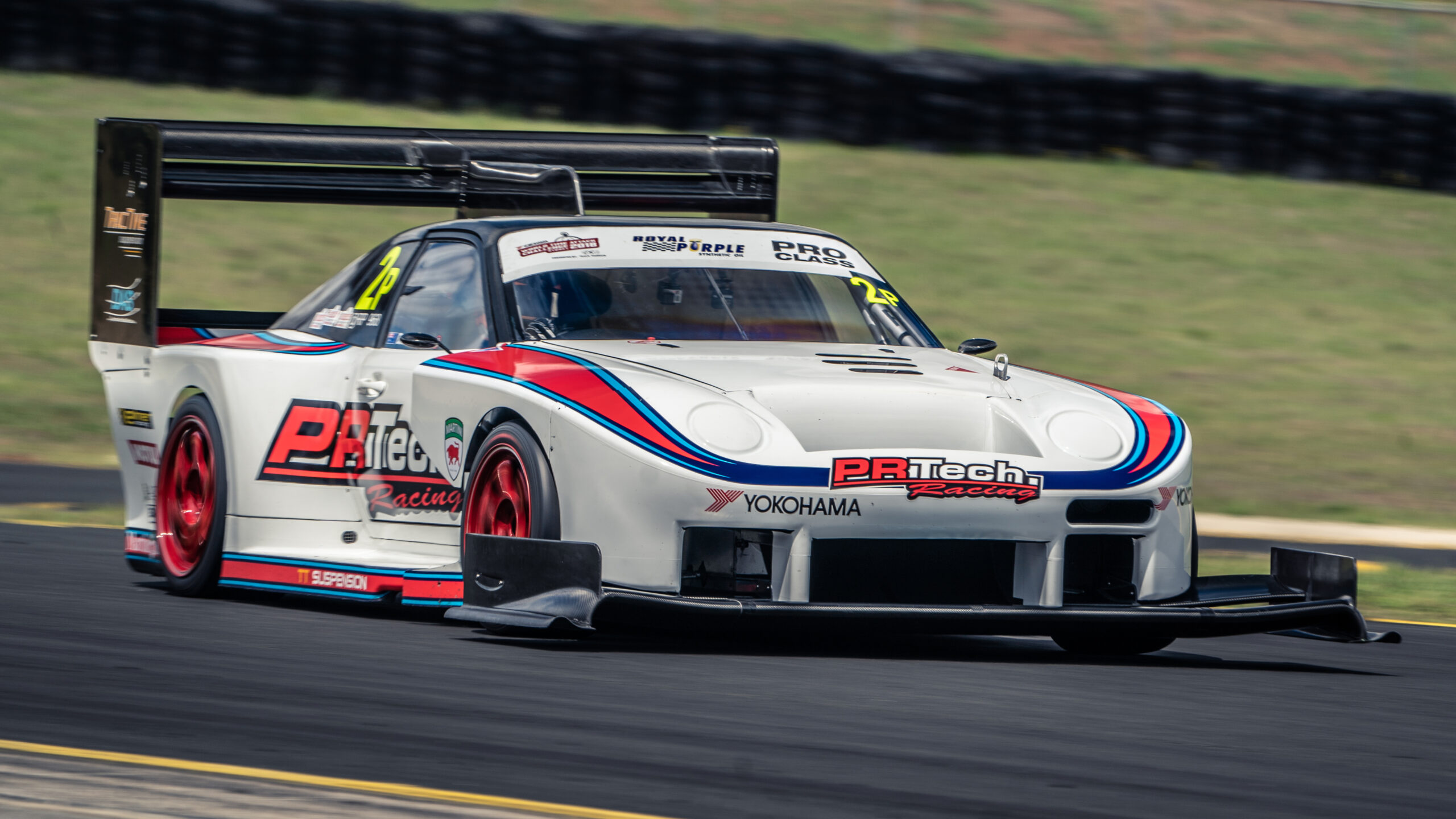
If you’ve spent any time around competitive track driving, you’ve probably heard the debate: are racing slicks really worth the investment for time attack events, or are high-performance street or semi-slick tires enough? The answer isn’t as simple as “slicks are faster”—because while they do offer unmatched grip, they also come with trade-offs that can impact consistency, cost, and even your overall results.
Let’s break it down in detail so you can decide whether racing slicks are the right choice for your setup and goals.
What Are Racing Slicks?
Racing slicks are tires with a completely smooth tread surface—no grooves, no patterns, just pure rubber in contact with the track. This design maximizes the contact patch, giving you the highest possible grip in dry conditions.
Unlike street tires or even aggressive track tires (like 200-treadwear options), slicks are purpose-built for motorsport environments. They operate within a specific temperature window and require proper setup to perform at their peak.
Why Time Attack Drivers Consider Slicks
Time attack is all about setting the fastest possible lap. There’s no wheel-to-wheel racing—just you, your car, and the clock. Because of this, maximizing grip becomes a top priority.
Here’s why racing slicks are so appealing:
1. Maximum Dry Grip
Slicks provide significantly more grip than any street-legal tire. This translates to:
- Faster cornering speeds
- Shorter braking distances
- Better acceleration out of turns
If everything else is dialed in, slicks can shave seconds off your lap time.
2. Improved Consistency (When Managed Properly)
Once in their optimal temperature range, slicks deliver predictable performance. This consistency can help drivers push harder with confidence.
3. Competitive Advantage
In higher-level time attack classes, many competitors already run slicks. If you’re not using them, you may simply be at a disadvantage.
The Downsides of Racing Slicks
Before you rush to upgrade, it’s important to understand the limitations. Slicks aren’t always the “best” choice for every driver or every event.
1. Warm-Up Requirements
Slicks need heat to work properly. On your first lap (or even first few corners), grip can be significantly lower than expected. Without tire warmers, this can cost you valuable time in short sessions.
2. Narrow Operating Window
Unlike street tires, slicks perform best within a specific temperature and pressure range. If you go outside that window:
- Grip drops quickly
- Tire wear increases
- Performance becomes inconsistent
3. Cost Factor
Racing slicks are expensive—and they wear out faster than street or semi-slick tires. For drivers doing frequent track days or multiple time attack events, this adds up quickly.
4. Setup Sensitivity
To get the most out of slicks, your car needs proper:
- Suspension tuning
- Alignment (camber, toe)
- Tire pressure management
Without the right setup, you won’t fully benefit from the extra grip.
5. Not Ideal for Mixed Conditions
Slicks are strictly for dry conditions. Even a slightly damp track can make them unpredictable and risky.
Slicks vs. 200-Treadwear Tires in Time Attack
A common alternative to racing slicks is the 200TW (200 treadwear) tire category, popular in many time attack classes.
200TW Tires:
- Easier to use (no warm-up stress)
- More forgiving
- Lower cost
- Street legal
Racing Slicks:
- Faster ultimate lap times
- Higher grip ceiling
- More demanding to manage
- Not street legal
For beginner to intermediate drivers, 200TW tires often deliver better overall results because they’re easier to extract performance from. Slicks, on the other hand, reward experienced drivers who can manage their nuances.
When Racing Slicks Are Worth It
Racing slicks make sense in time attack if:
- You’re chasing competitive lap times in advanced classes
- Your car is properly set up for track performance
- You understand tire temperature and pressure management
- You have the budget for frequent replacements
- Track conditions are consistently dry
In these situations, slicks can provide a clear performance advantage.
When They’re Not Worth It
You might want to hold off on slicks if:
- You’re new to track driving or time attack
- Your car is mostly stock
- You don’t have tools to monitor tire temps/pressures
- You’re focused on seat time rather than outright lap records
- Events often have variable weather conditions
In these cases, a good set of high-performance track tires will likely give you better value and more usable performance.
The Hidden Factor: Driver Skill
One of the most overlooked aspects of this debate is driver capability. Racing slicks can raise the performance ceiling—but they don’t automatically make you faster.
In fact, many drivers set quicker laps on slightly lower-grip tires because:
- They’re easier to control
- They provide more feedback
- They don’t punish mistakes as harshly
Until you’re consistently extracting the maximum from your current tires, upgrading to slicks may not yield meaningful gains.
Final Verdict: Are Racing Slicks Worth It?
Racing slicks are absolutely worth it—but only under the right conditions.
If you’re an experienced driver with a well-prepared car and a focus on competitive time attack performance, slicks can unlock faster lap times and a real edge on track.
However, if you’re still developing your skills or running a lightly modified car, the cost and complexity of slicks may outweigh the benefits. In many cases, sticking with high-quality track tires will deliver a better balance of performance, consistency, and value.
Bottom Line
Racing slicks aren’t a magic upgrade—they’re a specialized tool. Used correctly, they can transform your lap times. Used incorrectly, they can drain your budget and make your car harder to drive.
The smartest approach?
Max out your current setup first. Then, when you’re truly ready, step into slicks with the knowledge and preparation to make them count.
