



That carton of milk smells fine. The chicken looks normal. But your fridge has been running warm for three days, and you have no idea what is already growing inside your food. A faulty refrigerator does not always announce itself with rotten smells or visible mold. Sometimes the danger is invisible. Bacteria multiply silently at unsafe temperatures, and by the time you notice something is off, your family may already be at risk. Delaying refrigerator repair is one of those small decisions that can lead to serious consequences.
How a Properly Working Fridge Protects Food
Your refrigerator is the single most important appliance standing between fresh groceries and dangerous bacteria. When it works correctly, it keeps food safely chilled around the clock.
The Danger Zone For Bacteria
A refrigerator should stay at or below 40°F (4°C). Anything between 40°F and 140°F is called the “danger zone,” where bacteria like Salmonella and E. coli double every 20 minutes. A working fridge keeps your food well below that threshold at all times.
Why Consistent Cooling Matters
Steady, uninterrupted cooling slows bacteria down to nearly dormant levels. The moment temperatures fluctuate, even briefly, pathogens wake up and start multiplying fast. Consistent cooling is what stands between safe leftovers and a foodborne illness.
Unsafe Food That Looks Normal
Bacteria do not wait for food to smell bad or grow mold. Meat, dairy, and cooked leftovers can carry dangerous levels of contamination while still looking and smelling perfectly normal. Temperature is the only reliable indicator of safety.
Food Safety Risks of Delaying Refrigerator Repair
Every day you put off a fridge repair, invisible risks stack up inside your kitchen. Here is what is actually happening behind the closed door:
- Increased spoilage and waste when temperatures drift above safe levels, forcing you to throw away groceries you just bought.
- Higher chance of foodborne illness from eating food that sat too long at unsafe temperatures without you knowing.
- Invisible bacteria growth that starts hours before any mold, sliminess, or bad odor shows up.
The CDC estimates that 48 million Americans get sick from foodborne illness every year. A malfunctioning fridge contributes directly to that number.
Common Fridge Problems That Compromise Food Safety
Not every fridge problem looks dramatic. Some of the most dangerous issues are quiet, gradual, and easy to ignore until your food is already compromised.
Thermostat And Compressor Failures
Faulty thermostats and worn compressors cause inconsistent or warm internal temperatures. Your fridge may feel cool near the door, but run dangerously warm deeper inside where food actually sits.
Damaged Door Seals
Cracked or loose door seals let warm air seep in every time the door closes. Frequent door opening makes it worse, creating constant temperature swings that push food into the danger zone.
Frost Buildup And Blocked Vents
Overpacked shelves, heavy frost, and blocked air vents restrict airflow and prevent even cooling throughout the unit. Cold spots and warm spots form, leaving some food at risk while other items stay fine.
Warning Signs You Should Call for Refrigerator Repair Immediately
Your fridge usually gives clear signals before it fails. Catching these signs early can save your food and your family’s health:
1. Food Not Staying Cold
Food does not feel cold to the touch, ice cream is soft, or milk spoils well before the printed date. These are the earliest and most obvious red flags.
2. Strange Sounds Or Constant Running
The fridge runs nonstop, makes unusual buzzing or clicking sounds, or the sides and back feel hot. Any of these points indicates a cooling system under stress.
3. Condensation And Leaks
You notice moisture on shelves, puddles on the floor, or ice forming in places where it should not be. Water where it does not belong usually signals a seal, drain, or defrost problem.
Why Prompt Refrigerator Repair Is Essential
Speed matters when your refrigerator starts losing temperature. The longer you wait, the more you risk to your health, your money, and the appliance itself.
Protecting Your Family’s Health
Every hour a fridge runs warm, perishable foods inch closer to unsafe levels of bacteria. Quick repair keeps dairy, meat, produce, and leftovers safely chilled and your family out of the doctor’s office.
Avoiding Wasted Food And Money
A failing fridge forces repeated grocery runs and repeated food tossing. The average American household already wastes over $1,500 worth of food per year. A warm fridge accelerates that number fast.
Preventing Costlier Breakdowns
Small problems left alone turn into expensive ones. A worn door seal today becomes a burned-out compressor next month. Early repair costs a fraction of a full replacement.
What Professional Refrigerator Repair Typically Involves
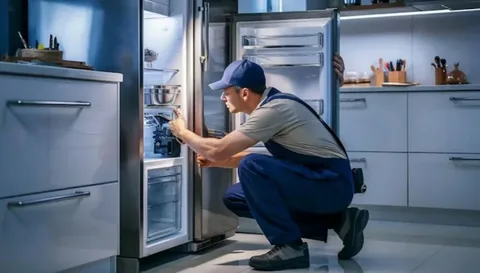
A trained technician can usually diagnose and fix most fridge issues in a single visit. The process is straightforward and built around getting your food back to safe temperatures quickly.
- Diagnosis of cooling and temperature control issues using specialized tools and sensors.
- Repair or replacement of faulty parts such as thermostats, fans, seals, sensors, or compressors.
- Testing, temperature calibration, and recommendations for safe food storage going forward.
Extra Benefits of Timely Repair Beyond Food Safety
Fixing your fridge quickly does more than protect your groceries. It pays off in ways most homeowners do not think about until the energy bill arrives:
- Lower energy bills because a properly sealed, well-functioning fridge uses less electricity.
- Longer appliance lifespan with fewer major breakdowns over the years.
- Peace of mind knowing your food stays fresh, your family stays healthy, and your budget stays intact.
Quick Food Safety Tips: If Your Fridge Is Failing
If your fridge feels warm or sounds wrong, do not wait for a repair appointment to take action. These steps protect your food right now:
Check Temperatures Hourly
Place a thermometer inside and check the reading every hour. Move high-risk items like raw meat and dairy to a cooler with ice first.
Follow The 2 Hour Rule
Throw away any perishable food that has been above 40°F for more than two hours. When in doubt, toss it out.
Call For Repair Right Away
“Waiting to see” how it goes is never worth the gamble when food safety is on the line. If your fridge is older than 10 to 15 years and repairs are frequent, replacement may make more sense.
Takeaway
A refrigerator that cannot maintain a consistent temperature is a direct threat to your food and your family’s health. The risks build silently, and by the time spoilage becomes obvious, the damage is already done. Prompt repair eliminates the guesswork, protects your groceries, and saves you from expensive replacements down the road.
Keep Your Food Safe. Call The Experts!
When your fridge starts acting up, CLT Appliance Repair gets it back to safe temperatures fast. The certified technicians diagnose the problem accurately, fix it right the first time, and make sure your food stays where it belongs: safely chilled and ready to eat. Do not gamble with your family’s health over a fridge that “still kind of works.”
