



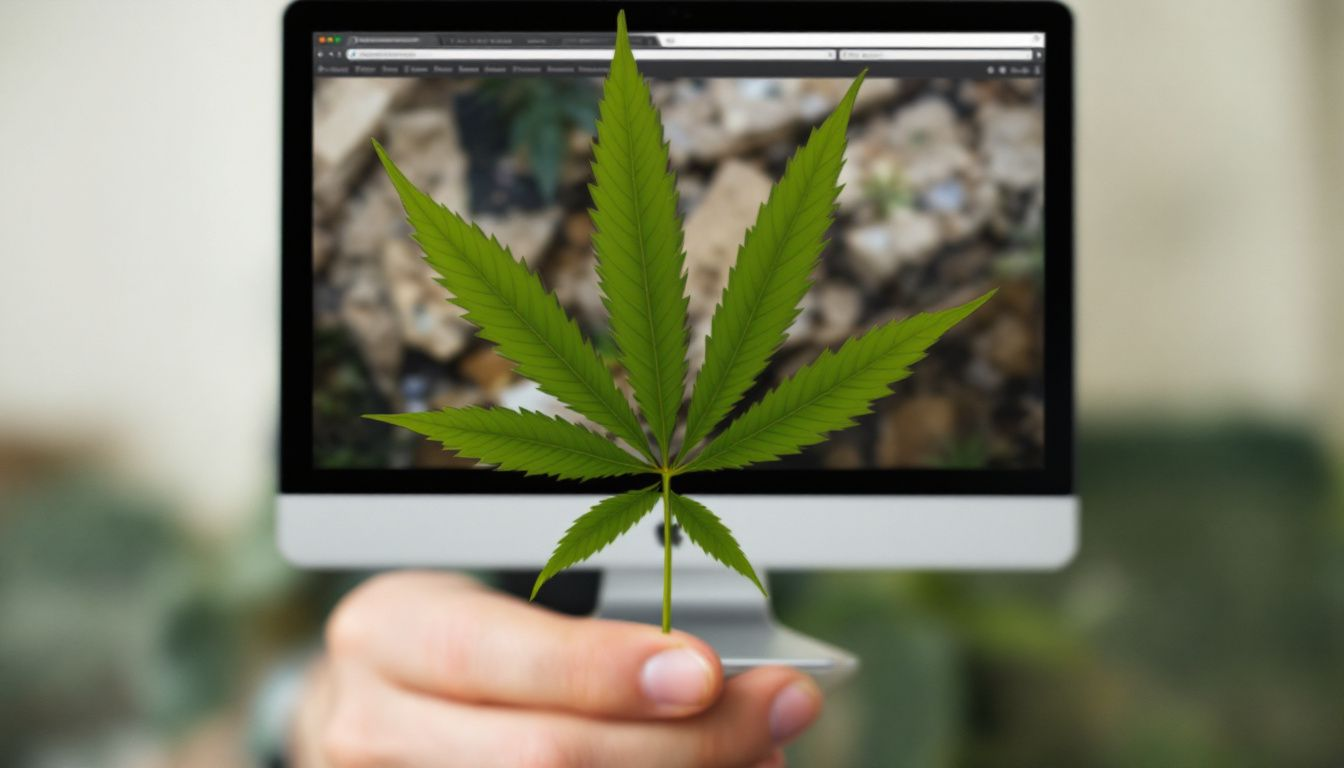
The medical cannabis industry is rapidly evolving, and one of the most significant changes is how patients now obtain certifications through digital platforms. What was once a complicated, in-person medical process is quickly becoming a streamlined online experience. This shift is redefining healthcare access, patient privacy, and regulatory systems across many regions. A key part of this transformation is the growing demand for a Medical marijuana card online process that is faster, more accessible, and technology-driven.
The Shift from Clinics to Telemedicine Platforms
Traditionally, obtaining a medical cannabis certification required in-person visits, long wait times, and extensive paperwork. Today, telemedicine platforms allow patients to complete consultations from home using video calls or secure online systems.
Recent healthcare trends show that virtual consultations are becoming a dominant model in medical cannabis access, driven by convenience and accessibility improvements . Patients can now speak with licensed physicians, discuss symptoms, and receive evaluations without traveling to clinics.
This shift is not just a temporary change—it is part of a broader transformation in global healthcare delivery.
How Online Medical Cannabis Certification Works Today
Online certification systems typically follow a simple structure:
Patients first complete an online intake form describing their medical history and symptoms. Then, they attend a virtual consultation with a licensed healthcare provider. If approved, they receive a digital certification or documentation that can be used for state registration or dispensary access, depending on local laws.
In many regions, this entire process can be completed within a single day, making access significantly faster than traditional systems .
This efficiency is one of the biggest reasons online systems are gaining popularity.
The Role of Technology in Shaping the Future
Technology is at the center of the future of online medical cannabis certification. Several innovations are expected to redefine how the system works:
Artificial Intelligence and Smart Evaluations
AI tools may soon assist physicians in reviewing patient data, identifying eligibility patterns, and improving decision-making accuracy.
Mobile Integration and Digital IDs
Many platforms are expected to move toward fully digital medical marijuana IDs stored in mobile apps, removing the need for physical cards entirely.
Blockchain-Based Security
To protect sensitive medical data, blockchain and advanced encryption systems may be used to ensure secure and tamper-proof patient records.
These advancements will make the certification process more efficient, secure, and patient-friendly.
Increasing Accessibility and Reducing Barriers
One of the most important impacts of online certification systems is improved accessibility. Patients in rural or underserved areas no longer need to travel long distances to see a specialist. Instead, they can access care from their homes using a smartphone or computer.
Telemedicine has become especially valuable for patients dealing with chronic pain, anxiety, PTSD, and other qualifying conditions, where frequent travel may be difficult.
This accessibility is one of the strongest drivers behind the rise of the Medical marijuana card online system globally.
Regulatory Changes and Future Challenges
While online systems are expanding, regulations still vary widely between regions. Each jurisdiction has its own rules regarding eligibility, approval processes, and documentation requirements.
At the same time, governments are increasingly focusing on tightening oversight of telehealth cannabis services to ensure compliance, prevent misuse, and maintain medical integrity.
Experts suggest that future policies may balance two priorities:
- Expanding patient access through telemedicine
- Strengthening compliance and reducing fraudulent certifications
This balance will shape how online cannabis certification evolves over the next decade.
The Future Outlook of Online Medical Cannabis Certification
The future of online cannabis certification is expected to move toward fully integrated digital healthcare ecosystems. Patients may soon experience:
- Instant eligibility screening tools
- Fully digital medical records
- AI-assisted consultations
- Same-day approvals in regulated regions
- Integration with pharmacy or dispensary systems
As these systems develop, the process will become more standardized, transparent, and widely accepted across healthcare systems.
Conclusion
The evolution of online medical cannabis certification represents a major shift in modern healthcare. Driven by telemedicine, digital innovation, and regulatory adaptation, the process is becoming faster, more accessible, and more patient-centered.
The increasing use of Medical marijuana card online systems highlights a broader movement toward digital-first healthcare, where convenience and medical access go hand in hand. As technology continues to advance, online certification is likely to become the standard rather than the alternative in many regions worldwide.
