



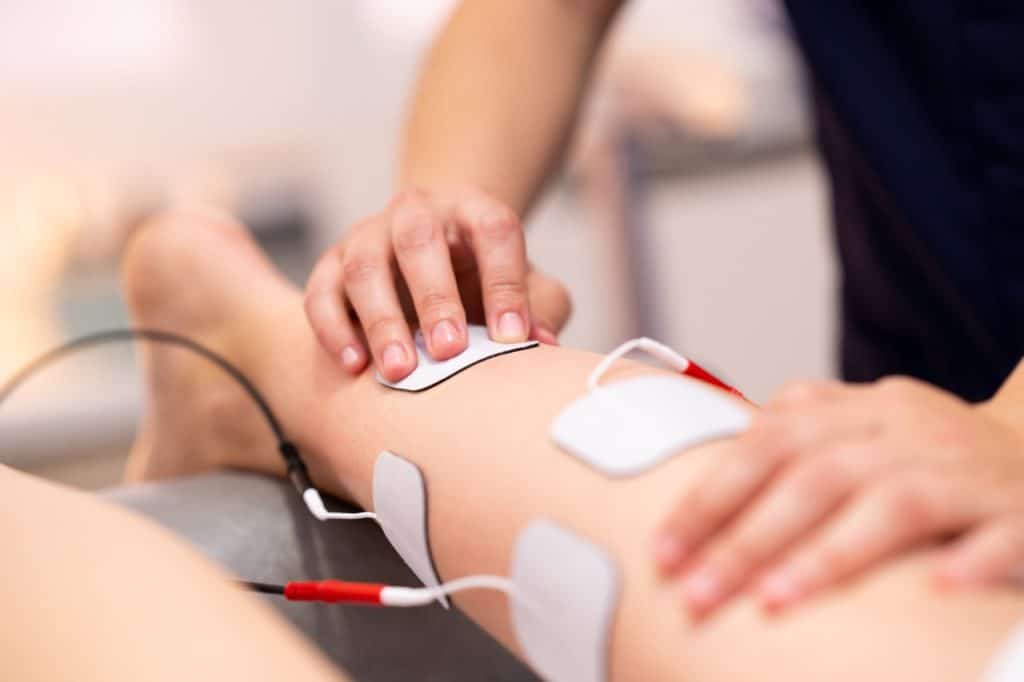
Electrostimulation therapy has gained increasing attention in modern rehabilitation, sports science, and pain management. It is a non-invasive technique that uses electrical impulses to activate nerves and muscles, helping the body recover, strengthen, or manage pain in a controlled and therapeutic way. As healthcare continues to evolve toward less invasive and more technology-driven treatments, electrostimulation therapy is becoming a valuable tool in both clinical and home-based care settings.
What is Electrostimulation Therapy?
Electrostimulation therapy refers to the use of low-level electrical currents delivered through electrodes placed on the skin or, in some cases, implanted devices. These electrical impulses mimic the body’s natural nervous system signals, stimulating targeted muscles or nerves.
The goal of electrostimulation therapy can vary depending on the condition being treated. It may be used to:
- Restore muscle function after injury or surgery
- Reduce chronic or acute pain
- Improve blood circulation
- Prevent muscle atrophy in immobilized patients
- Support neurological rehabilitation
By artificially triggering muscle contractions or nerve responses, this therapy helps maintain or restore physiological activity that may otherwise be lost due to injury or disease.
How Electrostimulation Therapy Works
The human nervous system communicates through electrical signals. When you move your arm, walk, or even blink, electrical impulses travel from the brain through nerves to specific muscles. Electrostimulation therapy replicates this natural process.
Small adhesive pads called electrodes are placed on the skin near the target area. A device then sends controlled electrical pulses through these pads. Depending on the settings, the impulses can:
- Cause muscles to contract and relax rhythmically
- Block pain signals traveling to the brain
- Stimulate sensory nerves to improve neurological response
The intensity, frequency, and duration of the electrical pulses are adjusted based on therapeutic goals and patient comfort.
Types of Electrostimulation Therapy
There are several forms of electrostimulation therapy, each designed for specific medical or wellness purposes.
1. TENS (Transcutaneous Electrical Nerve Stimulation)
TENS is primarily used for pain relief. It works by stimulating sensory nerves, which helps reduce the perception of pain in the brain. It is commonly used for back pain, arthritis, and post-surgical discomfort.
2. EMS (Electrical Muscle Stimulation)
EMS focuses on muscle contraction. It is often used in physical therapy and sports training to strengthen muscles, prevent atrophy, or assist in recovery after injury.
3. NMES (Neuromuscular Electrical Stimulation)
NMES targets motor nerves to improve muscle control and coordination. It is frequently used in stroke rehabilitation and neurological disorders.
4. Functional Electrical Stimulation (FES)
FES is an advanced form used to restore functional movements such as walking or grasping in patients with severe nerve damage or paralysis.
Medical and Therapeutic Applications
Electrostimulation therapy is widely used across different fields of medicine and rehabilitation.
Pain Management
One of the most common uses is pain relief. By interrupting pain signals and stimulating endorphin release, it provides an alternative or complement to medication.
Physical Rehabilitation
After surgeries, fractures, or long-term immobilization, muscles often weaken or shrink. Electrostimulation therapy helps maintain muscle activity and accelerates recovery.
Neurological Conditions
Patients recovering from strokes or living with conditions like multiple sclerosis may benefit from improved muscle activation and nerve re-education.
Sports and Fitness Recovery
Athletes use electrostimulation therapy to speed up recovery, reduce muscle soreness, and improve performance by activating muscle fibers that are difficult to target through voluntary exercise alone.
Benefits of Electrostimulation Therapy
The growing popularity of electrostimulation therapy is due to its wide range of benefits:
- Non-invasive and drug-free treatment option
- Helps reduce dependency on pain medications
- Improves muscle strength and endurance
- Enhances blood circulation and healing
- Supports faster rehabilitation after injury
- Can be used at home under guidance
For many patients, it serves as a bridge between complete rest and active physical therapy.
Limitations and Considerations
Despite its advantages, electrostimulation therapy is not suitable for everyone and should be used with caution.
Some limitations include:
- It may not address the root cause of pain or dysfunction
- Results vary depending on the condition and consistency of use
- Improper use can cause skin irritation or discomfort
- Not recommended for individuals with pacemakers or certain heart conditions
Professional guidance is often necessary to ensure safe and effective treatment, especially in clinical cases.
What to Expect During a Session
A typical session of electrostimulation therapy is relatively simple. After placing electrodes on the skin, the device is activated at a low intensity. Patients may feel a tingling sensation or mild muscle contractions.
Sessions usually last between 10 to 30 minutes depending on the treatment plan. The sensation should not be painful; instead, it is adjusted to a comfortable level that still produces therapeutic effects.
Over time, consistent sessions may lead to improved muscle responsiveness, reduced pain levels, and better mobility.
The Future of Electrostimulation Therapy
Advancements in wearable technology and biomedical engineering are making electrostimulation therapy more accessible and personalized. Modern devices are becoming smaller, smarter, and capable of integrating with mobile apps for real-time monitoring and adjustment.
Future developments may include:
- AI-driven therapy customization
- Fully wearable rehabilitation suits
- Enhanced precision targeting of nerves and muscles
- Integration with virtual physiotherapy programs
These innovations could significantly expand the use of electrostimulation therapy beyond hospitals and clinics into everyday wellness routines.
Conclusion
Electrostimulation therapy represents a powerful intersection of biology and technology. By harnessing controlled electrical impulses, it offers a versatile approach to pain management, rehabilitation, and muscle recovery. While it is not a standalone cure, it plays a crucial supporting role in modern healthcare.
As research continues and technology advances, electrostimulation therapy is likely to become even more refined, accessible, and effective, helping more people regain strength, mobility, and quality of life.
