



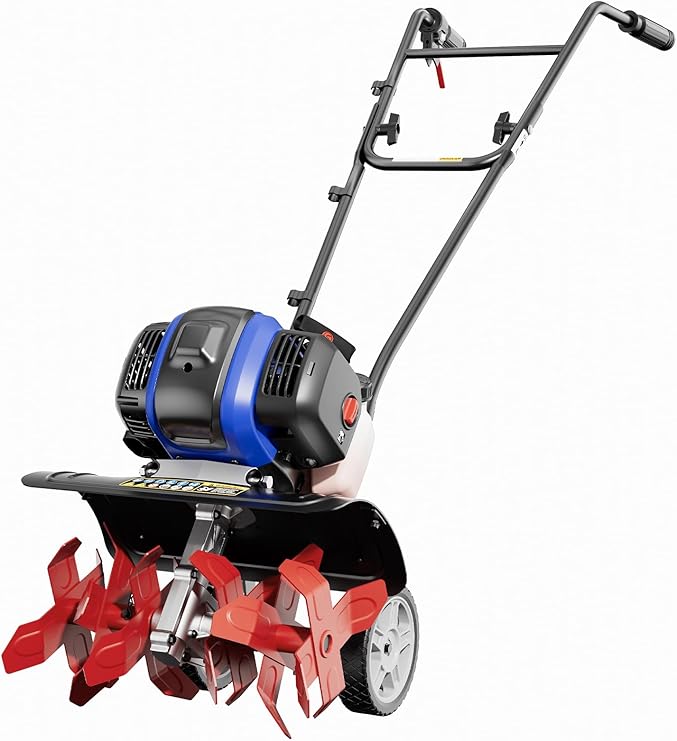
Choosing the right garden tiller can make a huge difference in how easily you prepare your soil for planting. Whether you’re maintaining a small vegetable patch or cultivating a large backyard garden, selecting the right machine is essential. In this guide, we’ll explore Electric vs Gas Garden Tiller: Which One Is Right for You? by comparing their features, advantages, disadvantages, and ideal use cases. By the end, you’ll have a clear understanding of which tiller best suits your gardening needs.
What Is a Garden Tiller?
A garden tiller is a powerful tool designed to loosen and mix soil before planting. It helps improve soil aeration, incorporates compost or fertilizer, and removes weeds, creating the perfect environment for healthy plant growth.
Garden tillers generally fall into two main categories:
- Electric garden tillers
- Gas-powered garden tillers
Each type offers unique benefits depending on the size of your garden and the tasks you need to accomplish.
Electric Garden Tillers
Electric tillers are powered either by a corded electrical outlet or rechargeable batteries.
Advantages of Electric Tillers
- Lightweight and easy to maneuver
- Quiet operation with minimal noise
- Low maintenance requirements
- No gasoline or oil changes needed
- Environmentally friendly with zero direct emissions
- Easy to start with the push of a button
These features make electric tillers ideal for beginners and homeowners with small to medium-sized gardens.
Disadvantages of Electric Tillers
- Less powerful than gas models
- Battery life may limit working time
- Corded models require access to electrical outlets
- Not suitable for rocky or heavily compacted soil
Gas Garden Tillers
Gas-powered tillers use gasoline engines to provide greater digging power and longer operating times.
Advantages of Gas Tillers
- High-powered performance
- Excellent for breaking hard or clay soil
- Suitable for large gardens and farms
- Longer continuous operating time
- Greater tilling depth and width
These machines are preferred by experienced gardeners who frequently prepare large planting areas.
Disadvantages of Gas Tillers
- Heavier and more difficult to maneuver
- Louder operation
- Requires regular maintenance
- Fuel costs add to operating expenses
- Produces exhaust emissions
Electric vs Gas Garden Tiller: Which One Is Right for You?
When comparing Electric vs Gas Garden Tiller: Which One Is Right for You?, the answer depends largely on your gardening requirements.
If you have a small backyard, raised garden beds, or soft soil, an electric tiller offers convenience, affordability, and simple maintenance.
If you’re working with a large property, compacted soil, or starting a new garden from scratch, a gas-powered tiller provides the strength needed to complete demanding tasks efficiently.
Performance Comparison
Power
Gas tillers deliver significantly more power, making them ideal for difficult soil conditions.
Electric tillers work best on already-maintained gardens with softer soil.
Maintenance
Electric tillers require very little maintenance.
Gas tillers need:
- Oil changes
- Spark plug replacement
- Air filter cleaning
- Fuel management
Cost
Electric tillers usually have a lower purchase price and lower long-term operating costs.
Gas tillers often cost more initially and require ongoing fuel and maintenance expenses.
Environmental Impact
Electric tillers are much more environmentally friendly because they produce no direct emissions during operation.
Gas tillers consume fossil fuels and emit exhaust gases.
Which Garden Size Is Best for Each?
Small Gardens
Electric tillers are an excellent choice for:
- Flower beds
- Raised gardens
- Vegetable patches
- Home landscaping
Medium Gardens
Battery-powered electric tillers or compact gas tillers both perform well depending on soil conditions.
Large Gardens
Gas tillers remain the preferred option for:
- Large vegetable gardens
- Farms
- Orchards
- Heavy-duty landscaping projects
Safety Tips
No matter which tiller you choose:
- Wear safety glasses and gloves.
- Keep children and pets away from the work area.
- Inspect the soil for rocks, roots, and debris before tilling.
- Never operate the machine in wet conditions.
- Follow the manufacturer’s maintenance guidelines.
Final Verdict
Deciding between Electric vs Gas Garden Tiller: Which One Is Right for You? ultimately comes down to the size of your garden, soil conditions, budget, and maintenance preferences. Electric tillers are perfect for homeowners seeking a lightweight, eco-friendly, and low-maintenance solution for everyday gardening. Gas tillers, on the other hand, deliver unmatched power for large gardens and challenging terrain.
When evaluating Electric vs Gas Garden Tiller: Which One Is Right for You?, consider not only the initial investment but also the long-term operating costs and the type of gardening you plan to do. Choosing the right tiller will save time, reduce effort, and help you create healthier, more productive gardens for years to come.
