



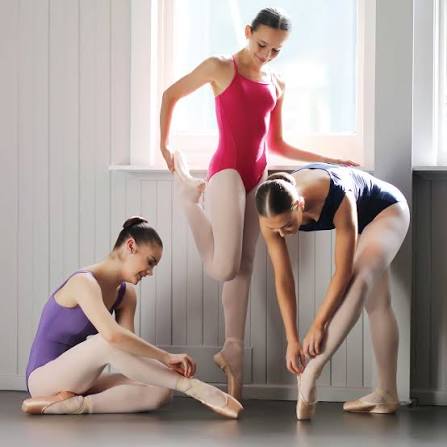
Few garments carry as much practical weight in a dancer’s wardrobe as the leotard. It is worn nearly every class, every rehearsal, and often every performance, which makes choosing the right dance leotards far more important than a simple style decision. For dancers, parents, and studio coaches building out wardrobes for training, understanding what separates a well-made leotard from one that will disappoint after a few washes can save both money and frustration over a full training season.
Fabric composition is the first and most important detail to evaluate. Most quality leotards are built from nylon-spandex or polyester-spandex blends, chosen specifically for their combination of stretch, recovery, and durability. A high percentage of spandex allows the garment to move fluidly through extensions, turns, and floor work, while the base fabric provides the structure needed to hold its shape through repeated wear. Lower quality blends, or those with insufficient spandex content, tend to lose their compression and begin sagging or bagging at the seams within a matter of weeks under regular training use, making fabric composition one of the clearest indicators of long-term value.
Construction details matter just as much as the fabric itself. Flatlock or four-way stretch seams reduce chafing and irritation during extended wear, an important consideration for dancers spending hours in rehearsal. Reinforced stitching at high-stress points, particularly under the arms and around the leg openings, helps prevent the kind of premature tearing that cheaper leotards often experience. Coaches and studio buyers purchasing in bulk for recital or team wear should pay particular attention to these construction details, since a leotard that fails mid-season creates real disruption for both the dancer and the broader group look.
Fit considerations vary meaningfully depending on the discipline and body type of the dancer. Ballet training generally calls for a more fitted, structured leotard that allows instructors to clearly see alignment and line, while contemporary or jazz-focused training may benefit from slightly more ease through the torso to accommodate a broader range of movement styles. Leg opening height, back design, and strap width all affect both comfort and range of motion, making it worthwhile for dancers to try multiple styles before settling on a preferred fit, particularly during growth years when body proportions shift regularly.
Sizing consistency is another practical factor that deserves attention, especially for studios purchasing across a full roster of dancers with varying body types. Brands that maintain consistent, well-documented sizing charts reduce the likelihood of costly reorders and fitting issues, a meaningful consideration when outfitting an entire team or class for a recital deadline. Individual dancers and parents shopping independently should pay similar attention to sizing guidance rather than assuming standard sizing translates directly across different brands or leotard styles.
Color and design choices, while secondary to fit and construction, still carry real importance for both individual dancers and studio group looks. Solid colors remain a dependable choice for everyday class wear and layering underneath skirts or warmups, while patterned or embellished leotards tend to serve better for performances or special showcases where visual impact matters more than daily practicality. Studios coordinating team uniforms often benefit from working with a supplier who can offer both simple training basics and more elevated performance styles within a consistent sizing system.
Care and maintenance play a final but important role in extending the life of any leotard. Hand washing or using a gentle, cold-water cycle helps preserve spandex elasticity far longer than repeated exposure to hot water or harsh detergents, both of which break down stretch fibers over time. Air drying rather than machine drying similarly protects the garment’s shape and compression, a small habit that meaningfully extends the useful life of a well-made leotard.
Choosing the right leotard ultimately comes down to prioritizing fabric quality, construction, and proper fit over style alone, though the best options deliver all three without compromise. Dancers, parents, and studios looking for training and performance pieces built to hold up under real rehearsal demands can explore a full range of options through Tiger Friday, where quality construction and studio-ready style are treated as equally essential.
