



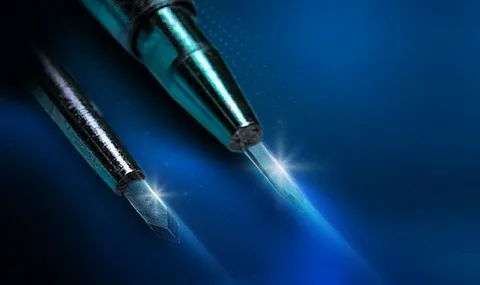
Small details in surgical tools can make a noticeable difference to how a procedure is planned. In hair restoration, one such detail is the blade used to create the tiny channels into which follicles are placed. Steel blades have been standard for years, but sapphire versions have become a regular feature of clinic brochures.
What the blade does
Before follicles are implanted, the surgeon makes small incisions in the recipient area. The size, angle and depth of those incisions influence how the hair sits once it grows. Sapphire blades are made from synthetic crystal that can be ground to a very fine, sharp edge. Practitioners who favour them say this allows smaller, more precise incisions. Whether that translates into a better result for a particular person depends on many other factors, including the surgeon’s skill and your healing.
If you want a detailed explanation, the sapphire blade method is laid out step by step in a dedicated guide, along with how it compares with a standard FUE approach.
Questions to ask about technique
- Why is this method being recommended for me and not another?
- Who makes the incisions, and who places the grafts?
- How dense can the final result realistically be in my case?
- What is the expected recovery pattern?
A reassuring answer comes with reasons. A generic one suggests that the method is chosen for marketing, not for you.
A note on women and thinning
Technique choice is not only a male concern. Women with localised thinning may be candidates too, and they often have additional questions about shaving and hairstyle. Reading about hair transplant options for women can clarify how planning differs, and it is worth doing before a consultation.
Finding a provider
Istanbul is among the most frequently chosen destinations. Turkey Hair Center, based in the city, is authorised by the Ministry of Health as a health tourism company, and its own team performs the procedures in partner hospitals and polyclinics. It is ISO 9001 certified and offers FUE, sapphire FUE and DHI, with four packages from $2,550 to $4,500.
Whichever provider you consider, results vary and a medical assessment decides suitability. Follow the aftercare plan closely, since swelling, scabs and shedding are normal in the first weeks. To find out more, see turkeyhaircenter.com.
