


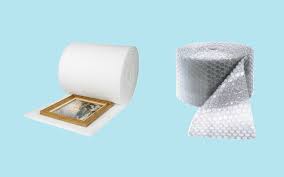
When we ship something fragile, we don’t just want it to arrive; we want it to arrive perfectly intact. Whether it’s electronics, glassware, or furniture, the packaging material we choose makes all the difference. Two of the most popular options, bubble rolls and foam rolls, often compete for the top spot in protective packaging. But which one truly offers better protection? Let’s unpack the details.
Key Highlights
- Bubble rolls provide better cushioning and shock absorption for delicate, irregular-shaped items.
- Foam rolls excel in scratch resistance, surface protection, and compact packaging.
- The best choice depends on what we’re shipping — fragile vs. scratch-prone items.
- Bubble rolls are ideal for shipping; foam rolls shine in wrapping, storage, and product presentation.
- Both materials can be reused, offering cost-effective and eco-conscious solutions.
The Role of Packaging Protection
Every product faces one big risk during transit — impact. Drops, vibrations, and friction can damage surfaces or break components. That’s where bubble and foam packaging come in. Both materials cushion and protect, but they function differently based on their structure.
Let’s compare how each performs across key areas like cushioning, flexibility, and cost.
Cushioning and Shock Absorption
Bubble Rolls:
Bubble rolls are known for their air-filled bubbles that act like tiny shock absorbers. When a package gets bumped or dropped, the trapped air takes the impact instead of the item inside. This makes them ideal for fragile items — think glass, ceramics, and electronics.
Foam Rolls:
Foam rolls, on the other hand, offer consistent density protection. They’re excellent for reducing vibration and preventing surface pressure marks. Foam doesn’t pop like bubbles do, but it absorbs less shock during heavy impacts.
✅ Winner: Bubble Rolls — better cushioning and impact resistance.
Scratch and Surface Protection
Bubble Rolls:
While bubble rolls offer great cushioning, the raised texture can sometimes leave impressions on delicate surfaces like polished metal or painted finishes.
Foam Rolls:
Foam rolls excel here. Their soft, non-abrasive surface ensures scratch-free protection — perfect for wrapping items like furniture, mirrors, or appliances.
✅ Winner: Foam Rolls — best for smooth and scratch-sensitive surfaces.
Flexibility and Ease of Use
Bubble Rolls:
They’re flexible, easy to wrap around oddly shaped items, and come in multiple bubble sizes for different protection levels. The only drawback? They can take up more space when stored.
Foam Rolls:
Foam rolls are lightweight, compressible, and easy to cut or shape. They also don’t cling as much, making them easier for high-volume packing operations.
✅ Winner: Foam Rolls — lighter and easier to handle in tight spaces.
Cost and Storage Efficiency
Bubble Rolls:
Because of their bulkier structure, bubble rolls require more storage room. However, they’re highly reusable and recyclable, making them a smart long-term investment.
Foam Rolls:
Foam rolls are thinner and can be stacked compactly. They typically cost slightly less per foot and are easier to store, especially in large quantities.
✅ Winner: Foam Rolls — more storage-efficient and cost-effective.
Reusability and Eco-Friendliness
We all want to protect products and the environment. Both materials can be reused multiple times before showing wear. Some suppliers now offer biodegradable or recyclable versions of both bubble and foam rolls, making it easier to reduce waste.
✅ Tie: Both can support eco-conscious shipping when sourced responsibly.
Choosing the Right Protection for the Job
So, which should we choose? It depends on what we’re protecting:
| Item Type | Recommended Material | Reason |
| Fragile items (glass, ceramics, electronics) | Bubble Roll | Excellent shock absorption |
| Scratch-prone items (furniture, appliances, mirrors) | Foam Roll | Smooth surface protection |
| Oddly shaped products | Bubble Roll | Wraps easily and stays secure |
| Flat or stacked products | Foam Roll | Saves space and prevents scuffs |
| Long-distance shipping | Bubble Roll | More cushioning for rough transit |
In short, bubble rolls protect from impact, while foam rolls protect from abrasion. Many businesses use both together — a foam layer for surface protection and bubble wrap for outer cushioning.
Why We Trust Quality Packaging Materials
When we ship from our warehouse or small business, every packaging choice affects customer satisfaction. A damaged product means returns, refunds, and unhappy reviews. That’s why we always lean toward trusted, high-quality packaging supplies that balance durability, cost, and efficiency.
Whether it’s bubble rolls for impact resistance or foam rolls for scratch-free security, investing in the right protection saves money and reputation in the long run.
FAQs
- Can we reuse bubble rolls and foam rolls?
Yes, both can be reused several times if they remain clean and intact. Bubble rolls may lose cushioning if bubbles pop, while foam rolls retain their form longer. - Are bubble rolls more expensive than foam rolls?
Bubble rolls usually cost slightly more because of their air-filled design and superior cushioning performance. - Do foam rolls provide enough protection for shipping fragile items?
Foam rolls are great for scratch protection but don’t offer the same shock absorption as bubble rolls. For fragile items, it’s better to use bubble wrap or a combination of both. - Which is better for packing furniture?
Foam rolls are ideal for furniture because they prevent scratches and can be easily cut to size without sticking or tearing. - How can we choose the right size bubble or foam roll?
Match the roll thickness to the product’s weight and fragility. Thicker bubbles or dense foam sheets are best for heavy or delicate items, while thinner options suit lighter goods.
Final Thoughts
When protection matters most, both bubble rolls and foam rolls have their place. Bubble rolls cushion fragile items through rough shipping routes, while foam rolls offer gentle, surface-safe protection for valuable goods.
Choosing the right one isn’t about which is better overall — it’s about what we’re protecting. With the right material, we pack smarter, ship safer, and deliver confidence with every order.
