



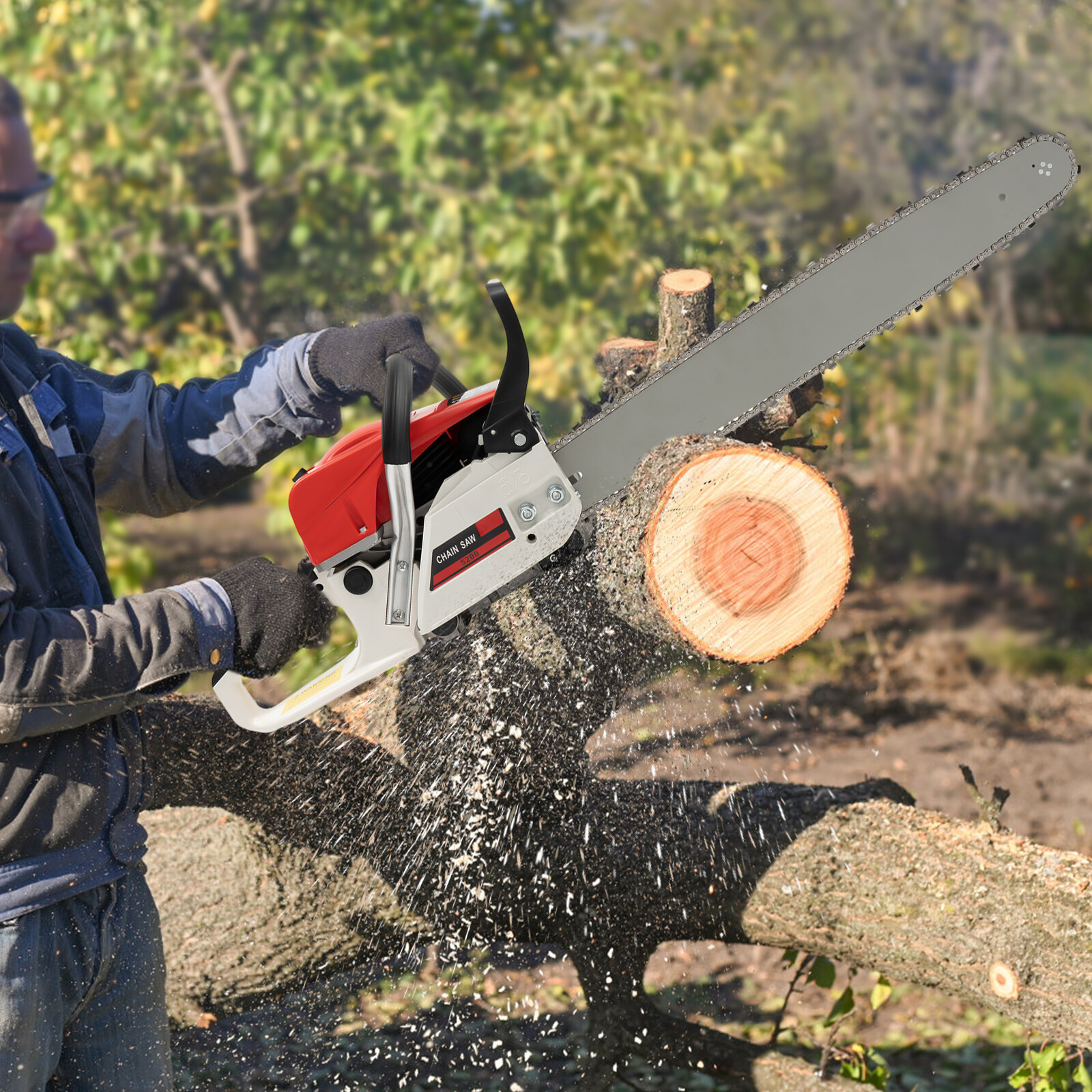
Using a chainsaw effectively requires more than brute strength—it demands knowledge of the right cutting techniques. Proper methods not only improve efficiency but also enhance safety and reduce wear on your equipment. This guide explores essential chainsaw cutting techniques for cleaner and faster results so you can tackle tasks confidently.
Understanding Your Chainsaw
Before diving into cutting techniques, it’s crucial to understand your chainsaw. Familiarize yourself with its parts, including the chain, guide bar, and safety features. Regular maintenance, such as sharpening the chain and checking the tension, is essential for achieving cleaner and faster results. A dull chain slows down your work and produces rough cuts.
Proper Stance and Grip
One of the simplest but most overlooked factors in effective cutting is body positioning. Stand with your feet shoulder-width apart and keep a firm, balanced grip on the saw. Positioning your body correctly reduces fatigue and allows for more precise cuts. This foundation is critical for executing advanced chainsaw cutting techniques for cleaner and faster results.
Essential Cutting Techniques
1. The Bore Cut
The bore cut is used when starting a cut in the middle of a log. This technique prevents pinching and ensures a straight, clean entry. Drill a small hole with the tip of the chainsaw, then gradually widen the cut, maintaining control at all times.
2. The Notch and Felling Cut
When cutting down a tree, make a notch on the side facing the direction you want the tree to fall. Then, perform the felling cut from the opposite side. This method improves accuracy, reduces the chance of binding, and speeds up the cutting process.
3. The Back Cut
Used for limbing or removing sections from a log, the back cut involves cutting from the opposite side of the notch. Proper execution ensures smooth, clean cuts and prevents splintering, which is essential for achieving chainsaw cutting techniques for cleaner and faster results.
Safety First
Always wear protective gear, including gloves, safety glasses, and chainsaw chaps. Never cut above shoulder height, and avoid cutting with the tip of the chainsaw to prevent kickback. Following these precautions keeps your work efficient and accident-free.
Maintenance Tips for Optimal Performance
Sharp chains, proper lubrication, and regular inspection of the chainsaw reduce downtime and improve cutting quality. A well-maintained saw allows you to achieve chainsaw cutting techniques for cleaner and faster results consistently.
Conclusion
Mastering the right chainsaw cutting techniques is a combination of knowledge, skill, and proper maintenance. By using correct stance, grip, and cutting methods, you can achieve cleaner, faster, and safer results every time. Implement these techniques and watch your efficiency and precision improve dramatically.
