



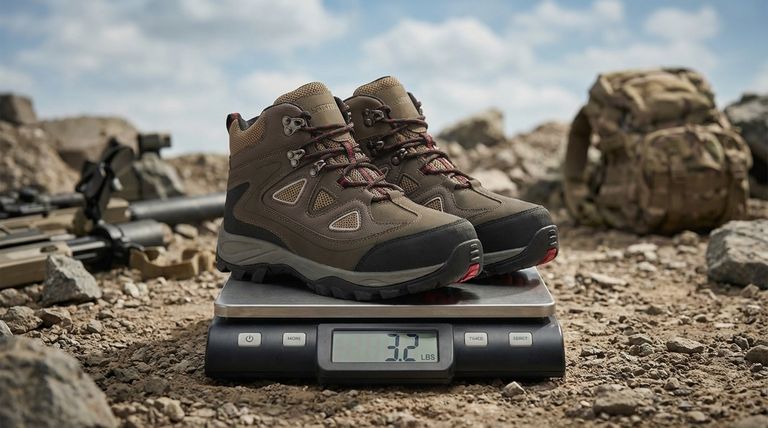
The landscape of professional service and outdoor exploration has undergone a significant shift over the last decade. Whether in law enforcement, private security, or high-stakes search and rescue, the demand for equipment that supports rapid movement and long-duration endurance has never been higher. Traditionally, “tactical” was synonymous with heavy, cumbersome leather boots that offered protection at the cost of mobility. However, modern material science has flipped this narrative. Today’s professionals are increasingly opting for lightweight tactical boots, recognizing that reducing the physical load on the lower extremities is a critical factor in maintaining peak performance and reducing the risk of fatigue-related injuries during long shifts.
The Physics of Footwear Fatigue
It is a well-documented principle in kinesiology that weight on the feet is significantly more exhausting than weight carried on the torso. For every pound added to the feet, the energy expenditure is roughly equivalent to adding five pounds to a backpack. For a professional on a 12-hour shift or a hiker traversing technical terrain, this cumulative energy drain can lead to “heavy-foot” syndrome—a state where reaction times slow and the likelihood of trips or falls increases.
By utilizing advanced synthetics, high-denier nylon, and injection-molded outsoles, modern tactical footwear provides the necessary ankle stability and puncture resistance of a traditional boot while mimicking the weight profile of a high-performance cross-trainer. This reduction in mass allows for a more natural gait and faster acceleration, which can be a decisive factor in emergency response scenarios.
Breathability and Thermoregulation
In the past, heavy boots often meant poor ventilation, leading to moisture buildup and the subsequent risk of blisters or fungal infections. Lightweight designs prioritize thermoregulation through the use of moisture-wicking liners and breathable mesh panels.
This is particularly vital for those working in variable climates or high-intensity environments where core body temperature rises quickly. A boot that allows heat to escape through the upper ensures that the foot remains dry and comfortable. Furthermore, many modern lightweight designs incorporate antimicrobial treatments that neutralize odor-causing bacteria—a small but significant detail for professionals who move directly from a field environment into a shared workspace or vehicle.
Versatility Across Disciplines: From Work to Wilderness
The 25–55 demographic of tactical gear users is no longer limited to the military. We are seeing a “tactical crossover” where hikers, weekend athletes, and construction supervisors are adopting professional-grade footwear for its durability. The sleek, athletic aesthetic of modern tactical boots allows them to transition seamlessly from a rugged trail to a casual work environment without appearing out of place.
For the hiker, the benefit is a boot that can handle rocky inclines without the bulk of a traditional mountaineering shoe. For the worker, it is a boot that provides the slip-resistance and toe protection required for safety compliance while remaining comfortable enough for an afternoon spent standing on concrete. This versatility makes high-quality tactical footwear a smart investment for anyone who leads an active, demanding lifestyle.
Durability Without the Density
A common misconception is that “lightweight” implies a lack of durability. On the contrary, the move toward lighter materials has spurred the development of more resilient compounds. Modern outsoles are often crafted from specialized rubber blends that offer superior grip on both wet and oily surfaces, outperforming traditional heavy lug soles in urban environments.
Reinforced “scuff zones” and double-stitched stress points ensure that the footwear can withstand the rigors of fast-roping, climbing, or kneeling on abrasive surfaces. By focusing on where the boot actually receives the most wear, engineers can strip away excess material from non-critical areas, resulting in a streamlined silhouette that doesn’t sacrifice a long service life.
Conclusion: Elevating Your Gear Standards
Choosing the right footwear is a foundational decision for any professional or enthusiast. It is the literal point of contact between the individual and their environment. As we move further into an era where efficiency and speed are paramount, the shift toward lighter, more technical gear is a logical progression. Investing in footwear that supports your physiology rather than hindering it is the hallmark of a seasoned professional who understands that the right equipment is a force multiplier. When you are ready to upgrade your loadout with footwear that balances rugged protection with athletic agility, BootsPlusMore provides the curated selection and expert quality necessary to keep you moving forward with confidence.
