



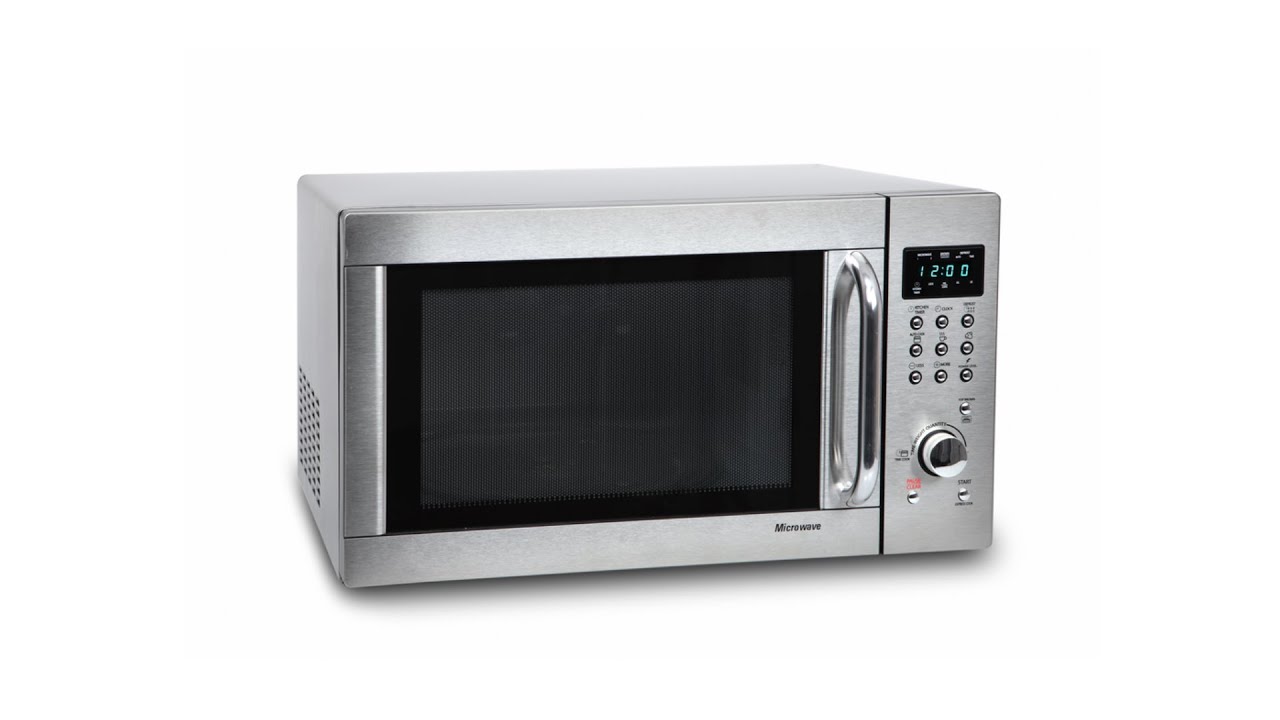
Microwaves are a common kitchen appliance found in most homes, offering convenience and efficiency in heating and cooking food. However, despite their widespread use, there are still many myths and misconceptions surrounding their safety, especially concerning the radiation they emit. In this article, we’ll explore whether your microwave is safe, separate fact from fiction, and clarify the truth behind radiation myths.
What is Microwave Radiation?
Before diving into safety concerns, it’s important to understand what we mean by “microwave radiation.” Microwaves are a type of electromagnetic radiation, similar to radio waves or light waves, but with a shorter wavelength. This radiation is used to heat food by causing water molecules in the food to vibrate, generating heat. The key distinction here is that microwave radiation is non-ionizing, meaning it does not have enough energy to remove electrons from atoms or molecules, which is what makes ionizing radiation (like X-rays) potentially harmful.
Common Myths About Microwave Safety
Myth #1: Microwaves Cause Food to Become Radioactive
One of the most common myths about microwaves is that they make food “radioactive” or toxic. This is simply not true. The radiation used by microwaves is not the same as the ionizing radiation used in nuclear reactions. Microwaves are non-ionizing and cannot make food radioactive. The radiation only heats the food and does not change its molecular structure in harmful ways.
Myth #2: Microwaves Leak Dangerous Radiation
Another prevalent fear is that microwaves leak harmful radiation while in use. However, modern microwaves are designed with safety features that ensure radiation is contained within the appliance. The door seals and other components are built to prevent any leakage. Even if a microwave is slightly damaged, it’s unlikely that it will leak radiation at levels that could cause harm. The U.S. Food and Drug Administration (FDA) regulates microwave ovens to ensure they meet strict safety standards.
Myth #3: Microwaving Food Destroys Nutrients
Some people believe that microwaving food destroys more nutrients than other cooking methods. While it’s true that some vitamins can degrade when exposed to heat, microwaving food does not significantly affect its nutritional content more than conventional cooking methods. In fact, microwaving can preserve nutrients because it cooks food faster and requires less water, which can cause nutrient loss during other cooking processes.
Is Your Microwave Safe?
The Science Behind Microwave Safety
So, is your microwave safe? The short answer is yes. Microwaves are safe when used correctly, and there is no credible scientific evidence to suggest that they pose any significant health risks when operated as intended. The FDA sets strict guidelines for microwave manufacturers to ensure that their products are safe for consumers. As long as you follow proper safety precautions—like not using a damaged microwave, keeping it clean, and following manufacturer instructions—you can use it without concern.
Key Safety Tips for Microwave Use
- Check for damage: If your microwave door doesn’t close properly or the seal appears damaged, it may be worth replacing the appliance. Microwaves that don’t seal properly could potentially allow some leakage, though the levels would still be well below harmful thresholds.
- Avoid overheating liquids: Always be cautious when microwaving liquids, as they can heat unevenly and cause burns or splatters.
- Use microwave-safe containers: Some plastic containers can release harmful chemicals when microwaved. Stick to microwave-safe glass or ceramic containers to avoid this.
Conclusion: The Truth Behind Radiation Myths
To answer the question, “Is your microwave safe?”—yes, it is. The fear surrounding microwave radiation is largely based on misunderstandings and myths. Microwaves are regulated to ensure safety, and when used correctly, they do not pose any significant health risks. So, don’t let misinformation stop you from enjoying the convenience of this everyday kitchen appliance.
