



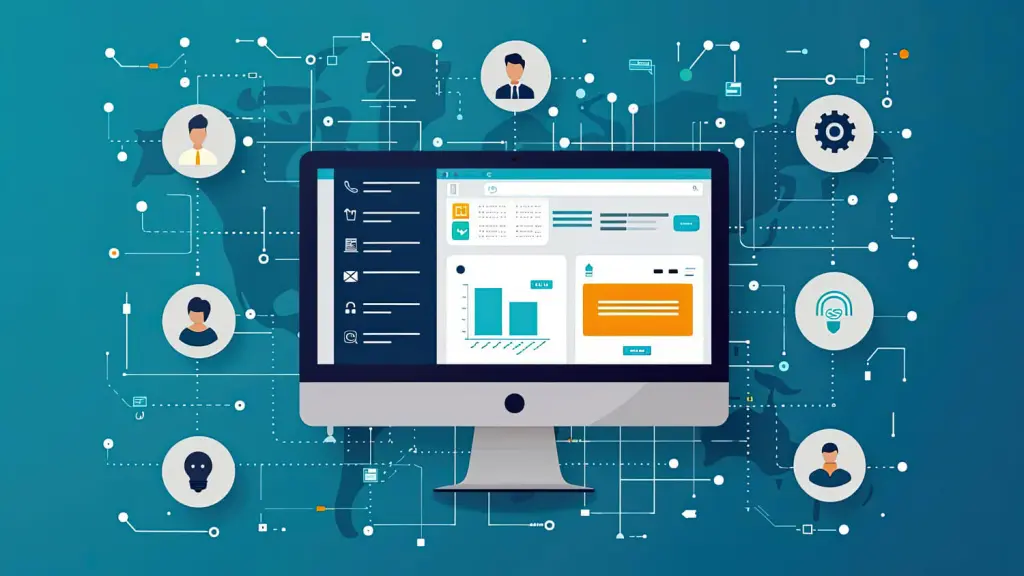
In today’s fast-paced business environment, understanding your customers’ behaviors and interactions is no longer optional—it’s essential. One of the most powerful ways to achieve this is by linking your CRM (Customer Relationship Management) system to your journey tracker. This integration can transform raw data into actionable insights, providing a comprehensive view of your customer’s journey from first touch to long-term loyalty.
Why Customer Journey Tracking Matters
Customer journey tracking allows businesses to follow the complete path a customer takes, from initial awareness to purchase and beyond. It helps organizations identify key touchpoints, understand pain points, and tailor communication strategies for maximum engagement. Without this tracking, businesses risk missing critical opportunities to improve customer satisfaction and retention.
Integrating a CRM with a journey tracker ensures that all interactions—whether through email, social media, live chat, or in-person sales—are captured and linked to the individual customer profile. This holistic approach enables teams to make data-driven decisions rather than relying on assumptions.
Benefits of Linking CRM to Your Journey Tracker
1. Enhanced Customer Insights
When your CRM communicates directly with your journey tracker, you gain a unified view of each customer. This integration allows you to see patterns, predict future behaviors, and identify opportunities for personalized engagement.
2. Improved Marketing Strategies
By understanding where customers are in their journey, marketing teams can craft campaigns that speak directly to their needs. For example, someone in the awareness stage might benefit from educational content, while a customer in the decision phase may need product comparisons or testimonials.
3. Streamlined Sales Processes
Sales teams benefit from real-time access to customer activity and engagement data. This helps prioritize leads, anticipate objections, and provide timely follow-ups, ultimately increasing conversion rates.
4. Data Accuracy and Efficiency
Manually compiling customer interactions from multiple sources can be time-consuming and prone to error. Linking your CRM to a journey tracker automates this process, ensuring data consistency and freeing up teams to focus on strategic initiatives.
How to Successfully Integrate Your CRM with a Journey Tracker
-
Choose Compatible Tools: Not all CRMs and journey trackers are created equal. Ensure your systems can communicate effectively, either natively or through a reliable integration platform.
-
Define Key Metrics: Identify which customer interactions matter most to your business. Focus on metrics that inform strategy, such as engagement frequency, purchase history, and churn risk.
-
Map the Customer Journey: Outline all potential touchpoints and align them with your CRM fields. This ensures that every interaction is accurately tracked and recorded.
-
Automate Workflows: Set up automated alerts, lead scoring, and task assignments based on journey data to streamline team efforts.
-
Regularly Review and Optimize: Use insights from your integrated system to refine campaigns, improve processes, and enhance the overall customer experience.
Future-Proof Your Customer Engagement
Integrating your CRM with a journey tracker isn’t just a technological upgrade—it’s a strategic investment in understanding and delighting your customers. Businesses that adopt this approach are better equipped to anticipate customer needs, deliver personalized experiences, and build long-term loyalty.
In the end, linking your CRM to a journey tracker turns fragmented data into a cohesive story, allowing your business to act with confidence and precision. With effective customer journey tracking at the heart of your operations, you’re not just managing relationships—you’re mastering them.
