



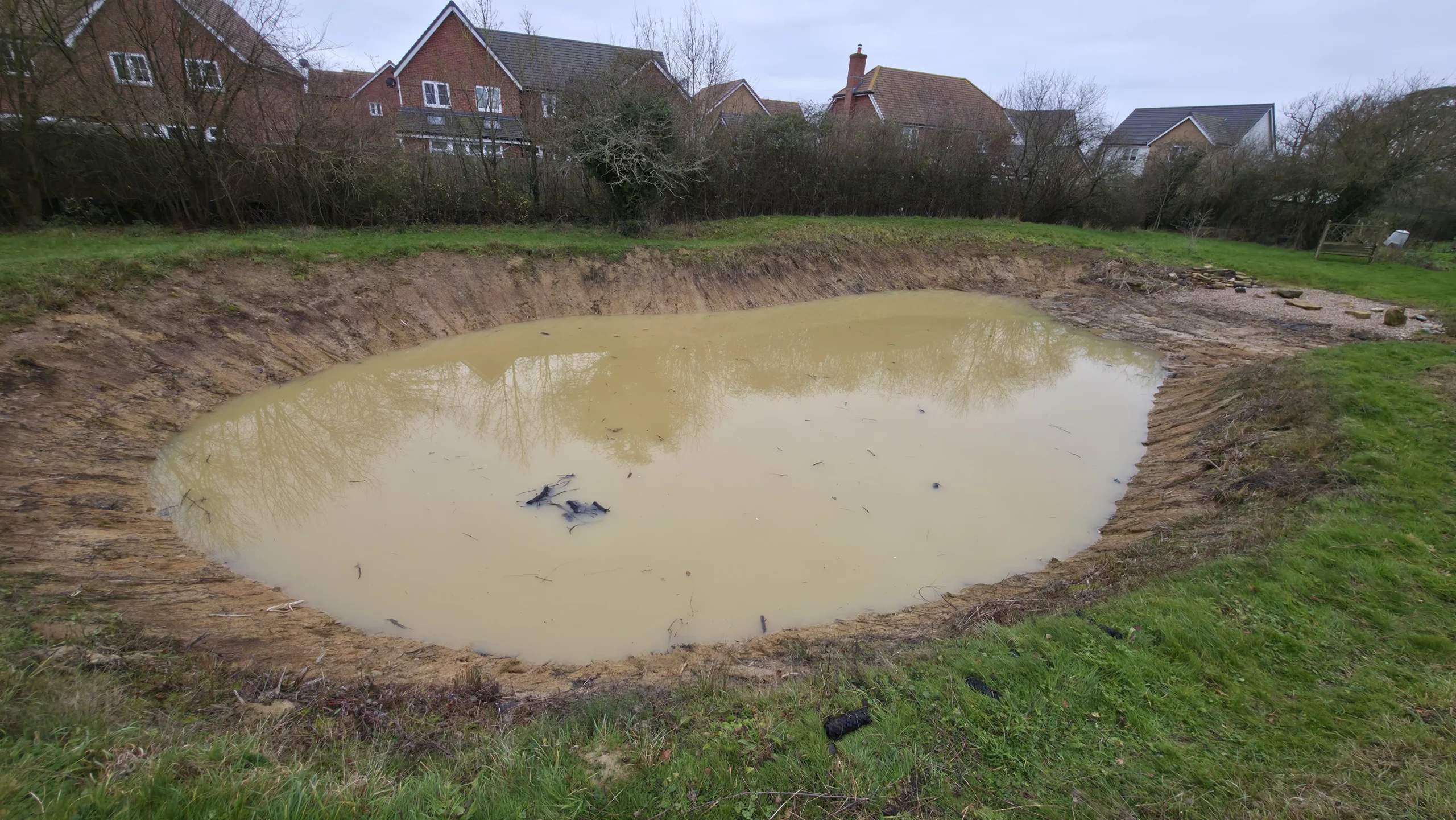
Creating a beautiful outdoor pond can transform your garden into a peaceful and natural retreat. The right selection of plants not only improves the appearance of your pond but also supports wildlife, maintains water quality, and creates a balanced ecosystem. This guide will help you understand how to select the best plants for your pond and make informed choices that suit your garden environment.
Why Pond Plants Are Important for Your Garden
Pond plants play a vital role in maintaining a healthy aquatic environment. They provide shelter for insects, amphibians, and other wildlife while helping to reduce algae growth by competing for nutrients. Floating plants offer shade, while submerged plants help oxygenate the water, creating a more balanced habitat.
Choosing the right varieties is essential because different plants serve different purposes. Some add colour and beauty, while others improve the overall health of the pond.
Understanding Different Types of Pond Plants
When planning your pond, it is useful to understand the main categories of aquatic plants available.
Marginal Plants
Marginal plants grow around the edges of a pond in shallow water. They create a natural transition between your pond and garden while providing valuable shelter for wildlife. Popular choices include marsh marigold, water iris, and flowering rush.
Floating Plants
Floating plants sit on the surface of the water and help provide shade, which can prevent excessive algae growth. Plants such as water lilies are popular because they offer attractive flowers and create a calm, natural appearance.
Submerged Oxygenating Plants
These plants grow beneath the water surface and release oxygen, helping maintain a healthy pond ecosystem. They are particularly beneficial for ponds that contain fish or a large amount of aquatic life.
A Complete Guide to Choosing British Pond Plants for Your Outdoor Space
Selecting suitable plants depends on several factors, including pond size, sunlight levels, water depth, and the type of wildlife you want to attract. Native plants are often a great choice because they are naturally adapted to local conditions and provide better support for native species.
Before purchasing plants, consider how much maintenance you are willing to provide. Some plants spread quickly and may require regular management, while others remain more controlled and are easier to care for.
Factors to Consider Before Planting
Pond Size and Depth
The size and depth of your pond will determine which plants can thrive. Deep-water plants need enough space for their roots, while shallow areas are ideal for marginal varieties.
Sunlight Availability
Most pond plants require several hours of sunlight each day. Observe your garden throughout the day to understand how much light your pond receives before selecting plants.
Wildlife Benefits
If you want to attract frogs, bees, butterflies, and other wildlife, choose plants that provide food, shelter, and breeding spaces. Native flowering plants are especially valuable for supporting biodiversity.
Tips for Maintaining Healthy Pond Plants
Regular maintenance keeps your pond plants attractive and prevents overcrowding. Remove dead leaves, control fast-growing species, and divide plants when they become too large for their space.
Avoid adding too many plants at once, as overcrowding can affect water quality. A balanced combination of floating, marginal, and oxygenating plants will create a healthier environment.
Creating a Natural and Attractive Pond Design
A well-planned pond should combine beauty with functionality. Use different heights, textures, and colours to create visual interest throughout the year. Place taller plants at the back or edges and lower-growing varieties closer to viewing areas.
By following A Complete Guide to Choosing British Pond Plants for Your Outdoor Space, you can design a pond that enhances your garden while supporting a thriving natural ecosystem.
Final Thoughts
Choosing the right pond plants is an important step in creating a successful outdoor water feature. With careful planning, suitable plant selection, and regular care, your pond can become a stunning focal point that benefits both your garden and local wildlife.
Whether you are building a new pond or improving an existing one, understanding plant types and their requirements will help you create a healthy and attractive outdoor space for years to come.
