



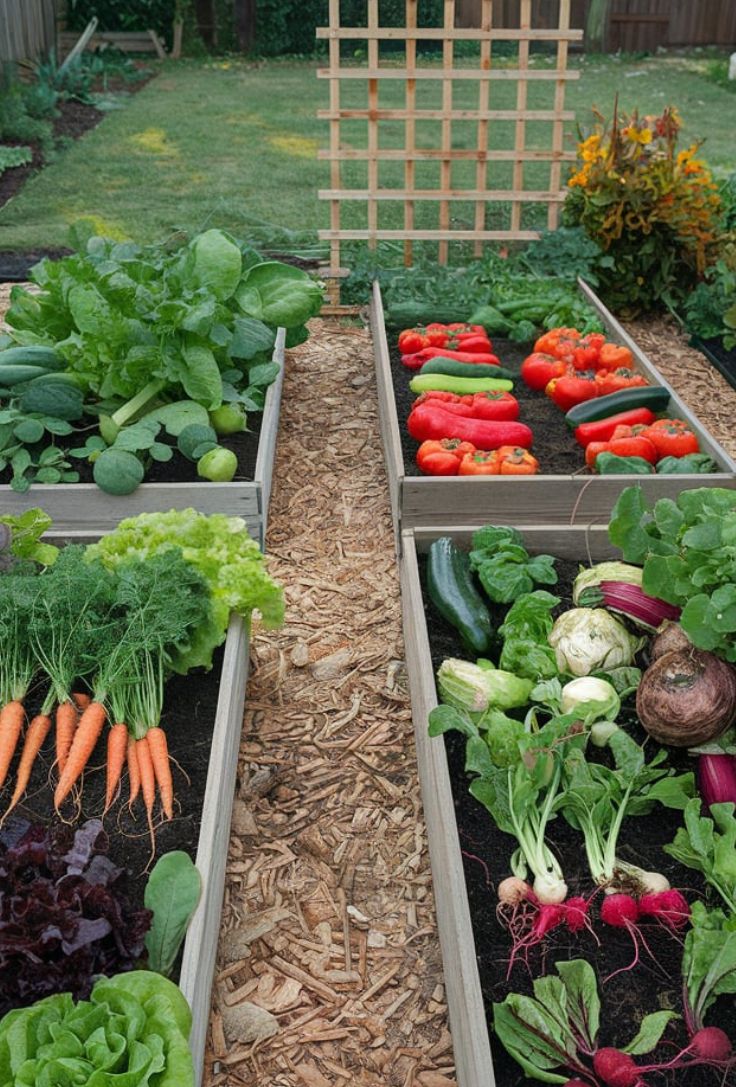
For a beginner, the world of gardening can feel overwhelming. Knowing what to do and when to do it is a critical skill that comes with experience. But with a simple, month-by-month plan, you can take the guesswork out of the process and follow the natural rhythm of the seasons.
This is a beginner’s guide to backyard gardening in Poland (Northern Hemisphere), starting from the current late summer season and looking ahead through a full year.
August: The Late Summer Harvest
What to do now: You are in the heart of the summer season. Focus on harvesting your summer bounty and getting a final crop in before the weather turns.
- Harvest: Pick tomatoes, zucchini, cucumbers, and green beans as they ripen. The more you harvest, the more the plants will produce.
- Plant for Fall: Sow seeds for fast-growing, cool-weather crops like lettuce and radishes. They will mature in the coming weeks and provide a late-season harvest.
- Prepare New Beds: This is the perfect time to start building a new garden bed for next spring. Use the “lasagna gardening” method (layering cardboard, compost, and leaves) to smother the grass and build healthy soil over the winter.
September: Preparing for a Fall Harvest and Winter
What to do now: The air is getting cooler, but there is still plenty to do.
- Plant Garlic: Plant individual garlic cloves with the pointy side up, about 2 inches deep. They will establish roots now and be ready for a big harvest next summer.
- Plant Hardy Greens: Sow seeds for spinach and kale. They are very tolerant of cool weather and will provide a harvest well into the fall.
- Add Compost: Spread a fresh layer of compost over all your existing garden beds to enrich the soil before winter.
October: Putting the Garden to Bed
What to do now: The first frost is on its way. It’s time to get the garden ready for its long winter nap.
- Harvest: Pick any remaining crops, including your late-season greens and root vegetables.
- Clean Up: Remove all old, dead plants, spent vegetable stalks, and garden debris. This is a crucial step to prevent pests and diseases from overwintering in your garden.
- Mulch: Cover your garden beds with a thick layer of mulch (like straw or shredded leaves). This protects the soil from erosion and helps to suppress weeds.
November, December, January: The Planning Season
What to do now: These are the dormant months, but your work isn’t done!
- Reflect and Plan: This is the perfect time to review the past season. What worked? What didn’t? Draw a map of your garden for the upcoming year.
- Order Seeds: Browse seed catalogs and online stores to order seeds for your spring planting. Ordering early ensures you get the varieties you want.
- Tool Maintenance: Clean, sharpen, and oil your gardening tools so they are in top condition for spring.
February: Starting Seeds Indoors
What to do now: The days are getting longer, and it’s time to get a head start on your summer garden.
- Start Seeds: Sow seeds for long-growing vegetables like tomatoes, peppers, and eggplants indoors. Place them under grow lights or on a sunny windowsill.
- Check on the Garlic: Make sure your autumn-planted garlic beds are still well-mulched.
March: Waking Up the Garden
What to do now: Spring is officially here! The ground is beginning to thaw.
- Prepare Beds: Gently remove the winter mulch from your garden beds. Add a fresh layer of compost and turn the soil gently with a garden fork.
- First Outdoor Planting: Plant hardy, cool-weather crops directly in the ground, such as peas, carrots, and radishes.
April: The Big Spring Planting
What to do now: The garden is in full swing. The risk of frost is decreasing, and you can plant a wide variety of crops.
- Transplant Seedlings: Your seedlings for tomatoes and peppers are growing. You can begin “hardening them off” by slowly introducing them to the outdoors for a few hours each day to acclimate them.
- Sow More Seeds: Plant more cool-weather crops like lettuce, spinach, and broccoli.
May: Transitioning to Summer
What to do now: The last risk of frost has passed, and it’s time to get the summer garden going.
- Plant Tender Plants: Transplant your tomato and pepper seedlings into the garden beds.
- Sow Warm-Weather Seeds: Plant seeds for zucchini, green beans, and cucumbers.
- Weed: Stay on top of weeding, as they will grow quickly in the warmer weather.
June & July: Peak Summer & Harvest
What to do now: The garden is at its most productive.
- Water and Harvest: Water deeply and consistently. Harvest leafy greens and early summer vegetables.
- Monitor for Pests: Keep an eye out for pests and use organic methods to control them.
- Continuous Planting: Sow new seeds for fast-growing crops to ensure a continuous harvest throughout the summer.
By following this month-by-month plan, you will always know what to do in your garden. This simple, consistent rhythm will help you grow a healthy and productive garden year after year.
