



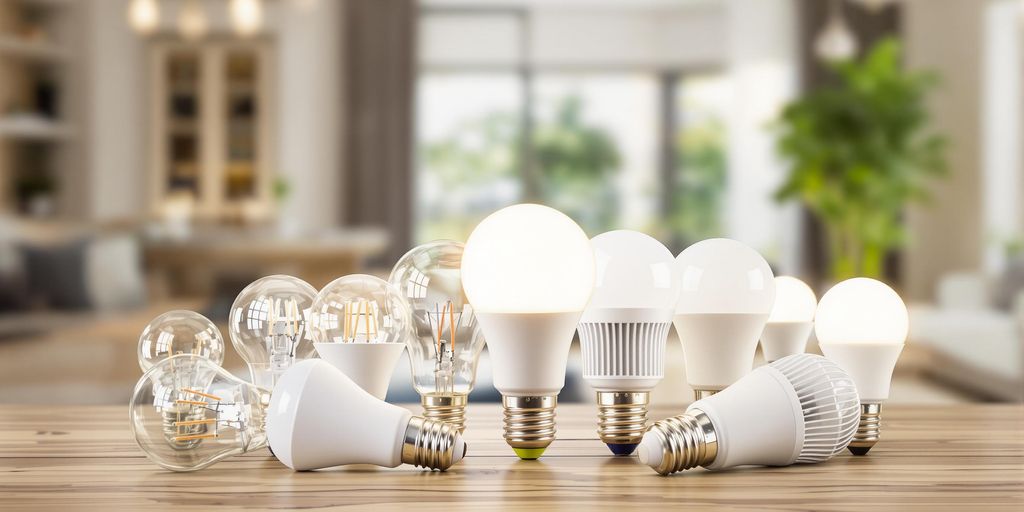
Lighting does more than just brighten your home—it sets the mood, improves functionality, and even impacts your energy bills. With the rise of energy-efficient solutions, LED lighting has become the go-to choice for modern households. Whether you’re upgrading your living space or designing a new one, choosing the right LED bulb for each room makes a big difference. If you’re browsing an online LED store, the variety of options can feel overwhelming—but this guide will help you make smart, room-by-room decisions.
Why Choose LED Light Bulbs?
Before diving into room-specific recommendations, it’s important to understand why LED bulbs are worth the investment. LEDs consume significantly less energy than traditional incandescent or CFL bulbs, last much longer, and offer better brightness control. They also come in various color temperatures and designs, making them highly versatile for different settings.
Understanding Key LED Features
Brightness (Lumens vs Watts)
Forget watts—lumens are what matter now. Lumens measure brightness, while watts measure energy consumption. For example, a 10W LED can produce the same brightness as a 60W incandescent bulb.
Color Temperature (Kelvin Scale)
- 2700K–3000K (Warm White): Cozy, soft lighting
- 3500K–4100K (Neutral White): Balanced and functional
- 5000K–6500K (Cool White/Daylight): Bright and energizing
Beam Angle
A wider beam angle spreads light across a larger area, while a narrow beam focuses light in a specific direction—ideal for task or accent lighting.
Dimmability
Not all LEDs are dimmable, so check compatibility if you plan to use dimmer switches.
Best LED Light Bulbs for Each Room
Living Room: Comfort Meets Style
The living room is where you relax and entertain, so lighting should be warm and inviting.
Recommended:
- Warm white LEDs (2700K–3000K)
- Dimmable bulbs for flexibility
- LED floor lamps or recessed lighting
Layer your lighting with a mix of ambient, task, and accent lights. Use smart LED bulbs to adjust brightness and color based on mood or time of day.
Bedroom: Soft and Relaxing Ambience
Your bedroom should promote rest and calmness.
Recommended:
- Soft warm white LEDs (2700K)
- Low-lumen bulbs for bedside lamps
- Smart bulbs with dimming or color-changing features
Avoid harsh white lighting, as it can disrupt your sleep cycle. Consider bulbs with a “sunset mode” to wind down naturally.
Kitchen: Bright and Functional
The kitchen requires clear visibility for cooking and cleaning.
Recommended:
- Neutral to cool white LEDs (3500K–5000K)
- High-lumen output for brightness
- Under-cabinet LED strip lights
Task lighting is crucial here. Install focused lighting over countertops and cooking areas for better efficiency.
Bathroom: Clean and Crisp Lighting
Good lighting in the bathroom is essential for grooming and hygiene.
Recommended:
- Cool white LEDs (4000K–5000K)
- Vanity lights with high CRI (Color Rendering Index)
- Moisture-resistant LED fixtures
Place lights around mirrors to reduce shadows and ensure even illumination.
Home Office: Boost Productivity
Proper lighting can improve focus and reduce eye strain.
Recommended:
- Daylight LEDs (5000K–6500K)
- Desk lamps with adjustable brightness
- Flicker-free LED bulbs
Avoid overly warm lighting, as it can make you feel sleepy. Bright, white light keeps you alert and productive.
Dining Room: Elegant and Adjustable
Lighting here should enhance the dining experience.
Recommended:
- Warm white LEDs (2700K–3000K)
- Dimmable chandelier bulbs
- Pendant lighting for style
Use dimmers to adjust brightness based on the occasion—bright for family meals, softer for intimate dinners.
Hallways & Entryways: Safe and Welcoming
These transitional spaces need consistent and clear lighting.
Recommended:
- Neutral white LEDs (3000K–4000K)
- Motion-sensor LED lights
- Flush mount ceiling fixtures
Ensure even lighting to avoid dark spots and improve safety.
Outdoor Spaces: Durable and Bright
Outdoor lighting enhances security and curb appeal.
Recommended:
- Weatherproof LED bulbs
- Cool white or daylight LEDs (4000K–6000K)
- Motion-sensor floodlights
Use pathway lights, wall-mounted fixtures, and garden LEDs to create a layered outdoor lighting setup.
Smart LED Bulbs: Worth It?
Smart LED bulbs are gaining popularity for their convenience and customization. You can control them via smartphone apps or voice assistants, set schedules, and even change colors. While they cost more upfront, they offer long-term value and flexibility.
Energy Savings and Cost Efficiency
LED bulbs use up to 80% less energy than traditional bulbs and can last up to 25,000 hours or more. This means fewer replacements and lower electricity bills. When shopping from an online LED store, look for energy ratings and warranties to ensure quality.
Tips for Choosing the Right LED Bulb
- Match color temperature to room function
- Check lumens for brightness needs
- Ensure compatibility with fixtures and dimmers
- Look for high CRI (80+) for better color accuracy
- Choose trusted brands with good reviews
Final Thoughts
Choosing the best LED light bulbs for your home doesn’t have to be complicated. By understanding your lighting needs and matching them to the right bulb type, you can transform every room into a comfortable, functional, and energy-efficient space. Whether you’re upgrading a single room or your entire home, the right lighting makes all the difference. And with so many options available in any online LED store, you’re just a few clicks away from better lighting.
