



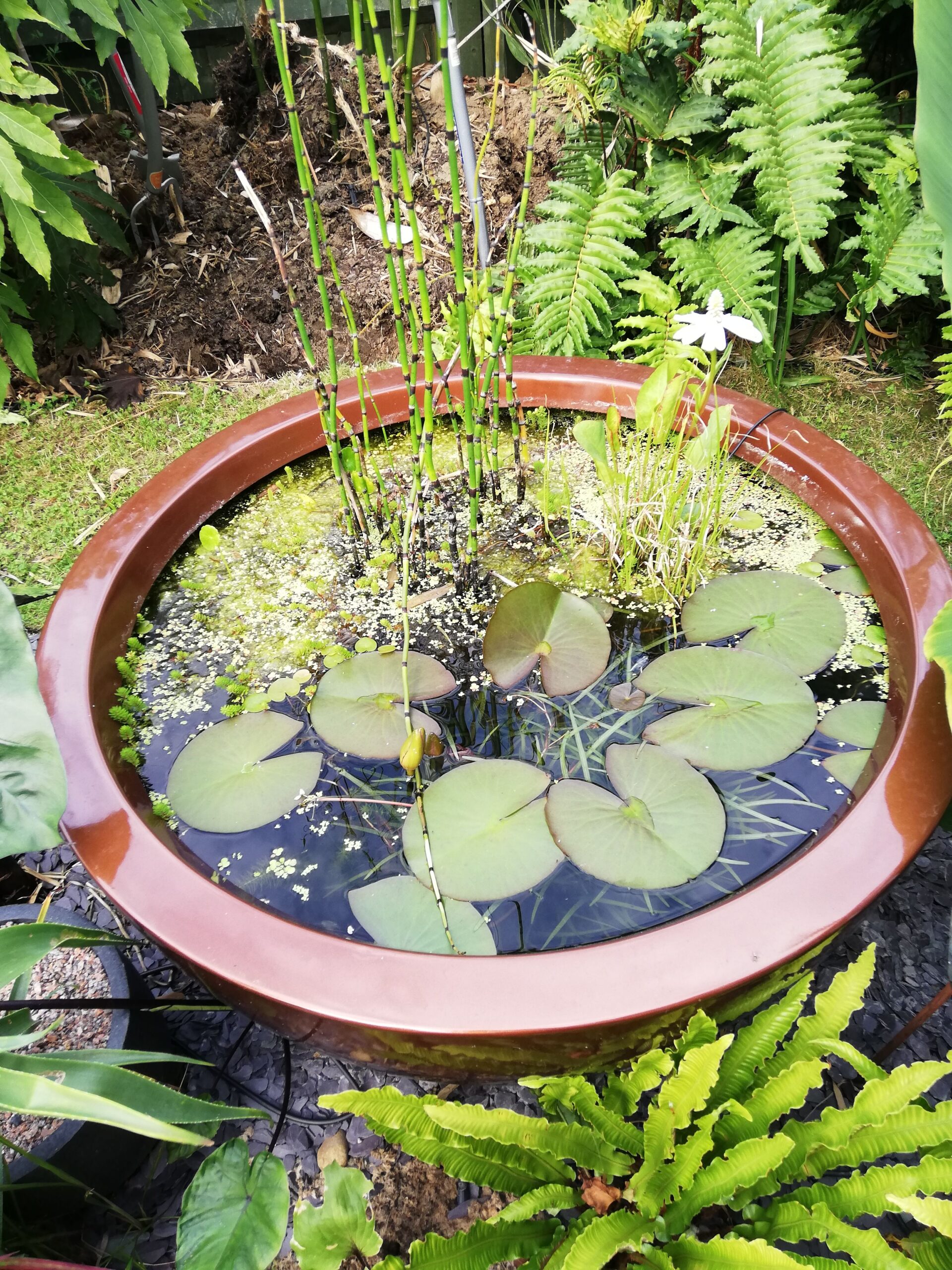
A well-designed pond can become a thriving natural feature in any garden, providing beauty while creating a valuable habitat for many species. Plants play a vital role in maintaining a healthy pond ecosystem by filtering water, reducing algae growth, and offering shelter for wildlife. Understanding how British Pond Plants Improve Water Quality and Support Local Wildlife can help gardeners make better choices when creating or maintaining a pond.
The Importance of Pond Plants in Maintaining Clean Water
Pond plants act as natural filtration systems. Their roots absorb excess nutrients such as nitrogen and phosphorus, which can otherwise encourage unwanted algae blooms and make water cloudy. Plants growing in and around ponds also help stabilise the environment by reducing soil erosion and improving oxygen levels.
Native aquatic plants are especially beneficial because they are adapted to local conditions and provide suitable habitats for insects, amphibians, and birds. By creating a balanced ecosystem, these plants reduce the need for artificial treatments and help keep pond water naturally healthier.
How British Pond Plants Improve Water Quality and Support Local Wildlife in Garden Ponds
British pond plants offer more than just visual appeal. Species such as water lilies, marsh marigolds, and native reeds provide important spaces for wildlife to feed, hide, and reproduce. Frogs, newts, dragonflies, and other pond creatures rely on these plants for survival.
Floating plants create shade that helps regulate water temperature, while submerged plants release oxygen into the water, supporting fish and other aquatic organisms. The variety of habitats created by pond vegetation encourages greater biodiversity and turns a simple garden pond into a small wildlife sanctuary.
Choosing the Right Plants for a Healthy Pond
Selecting the right combination of plants is essential for maintaining a balanced pond. A mixture of oxygenating plants, floating plants, marginal plants, and moisture-loving species around the pond edges can provide the best results.
Gardeners should focus on native varieties whenever possible because they support local ecosystems and are generally easier to maintain. Avoiding invasive species also helps protect nearby natural waterways from ecological damage.
Creating a Wildlife-Friendly Pond Environment
A wildlife-friendly pond should include different depths, planted areas, and safe access points for animals. Adding plants around the edges creates shelter for small creatures, while shallow areas allow birds and insects to drink safely.
With thoughtful planting, even a small pond can attract a wide range of wildlife throughout the year. Healthy vegetation not only improves the appearance of the pond but also contributes to a more sustainable garden environment.
Conclusion
Pond plants are essential for creating clean, balanced, and wildlife-friendly water features. They naturally filter water, support biodiversity, and provide habitats for many native species. By choosing suitable plants and caring for them properly, gardeners can enjoy a beautiful pond while helping protect local wildlife and the surrounding environment.
