



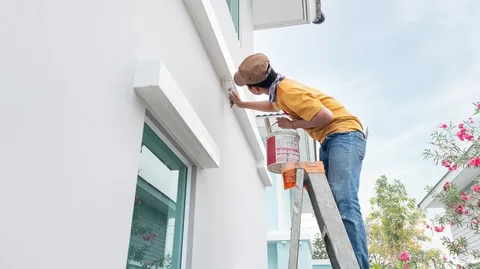
Maintaining a home’s exterior appearance requires more than choosing a color that complements its design. Proper surface preparation, quality paint, careful application, and routine maintenance all contribute to a durable finish that withstands sunlight, rain, humidity, and temperature fluctuations. Long lasting exterior color protection helps homeowners preserve curb appeal and reduce premature fading, peeling, and coating deterioration.
Protecting exterior color is an investment in a home’s appearance and long-term maintenance. Understanding the factors that affect paint performance helps homeowners prevent unnecessary repairs, maintain curb appeal, and make informed decisions about exterior painting. Superior Homes Painting USA helps homeowners explore suitable painting solutions that support a durable, attractive finish through proper preparation, appropriate coatings, and careful application.
What Affects Exterior Paint Color and Durability?
Sunlight, moisture, and temperature changes can gradually affect exterior paint’s appearance and performance. Understanding these factors helps homeowners choose suitable coatings and plan proper maintenance.
Sunlight and UV Exposure
Ultraviolet (UV) radiation can break down paint pigments and binders, causing fading, chalking, and reduced surface protection. Walls exposed to direct sunlight may experience more noticeable color changes. Choosing exterior paint formulated for UV resistance can help maintain color and finish.
Rain, Humidity, and Moisture
Water entering through cracks, damaged siding, or leaking gutters can weaken paint adhesion and cause blistering, peeling, and mildew growth. Before painting, homeowners should correct moisture problems and ensure surfaces are clean and dry to prevent premature coating failure.
Temperature Changes and Surface Movement
Exterior materials expand and contract as temperatures fluctuate, placing stress on paint films. Using a compatible coating with suitable flexibility helps accommodate normal surface movement and maintain a more durable finish.
Choosing Paint for Long Lasting Exterior Color Protection
Choose exterior paint based on the home’s materials, climate, sun exposure, and maintenance needs.
Evaluate Paint Quality
Look for coatings that offer:
- UV resistance: Helps reduce fading.
- Color retention: Maintains appearance over time.
- Moisture resistance: Helps protect against dampness.
- Adhesion and flexibility: Support a durable finish.
- Mildew resistance: Helps limit surface growth.
Check the manufacturer’s data sheet for application requirements and suitable surfaces.
Consider Sun Exposure When Choosing Colors
Darker colors absorb more heat, potentially increasing surface temperatures and material movement. Lighter shades may reduce heat absorption.
Consider the home’s architecture, climate, and paint specifications. Test samples on different walls to see how daylight affects their appearance.
Surface Preparation: The Foundation of a Durable Finish
Even premium exterior paint can fail when applied to dirty, damaged, or poorly prepared surfaces. Proper preparation improves adhesion and helps create a uniform, durable finish.
Inspect and Clean Exterior Surfaces
Inspect siding, trim, doors, and other painted areas for peeling paint, cracked caulk, mildew, rust, and moisture damage. Remove dirt, dust, and loose residue using suitable cleaning methods without damaging the surface.
Allow surfaces to dry thoroughly before painting, as trapped moisture can compromise adhesion.
Repair Surfaces Before Painting
Correct surface defects before applying new paint. Essential preparation steps include:
- Remove loose or peeling paint.
- Sand rough edges for a smoother finish.
- Repair damaged siding, trim, and cracks.
- Replace deteriorated caulk where needed.
- Prime bare or repaired surfaces as recommended.
- Ensure surfaces are clean, sound, and dry.
Homes built before 1978 in the United States may contain lead-based paint. Arrange appropriate testing and follow lead-safe work requirements before disturbing potentially hazardous coatings.
Choose the Right Primer
Primer improves adhesion, coverage, and color consistency. Select a product suited to the material, whether wood, masonry, metal, or a previously painted surface. Stain-blocking primers help prevent discoloration, while corrosion-resistant primers protect suitable metal surfaces.
Follow the manufacturer’s recommendations to ensure the primer works effectively with the selected finish coat.
Best Application Practices for Color Retention
Proper application, suitable weather, and even coverage help exterior paint last longer.
Paint in Suitable Weather
Follow the manufacturer’s temperature and weather guidelines. Avoid painting hot, damp surfaces or when rain is expected before the paint dries.
Apply Even Coats
Follow recommended coverage rates and drying times. Choose brushes, rollers, or spray equipment suited to the surface and coating.
Ensure Consistent Coverage
Work in manageable sections to prevent overlaps and cover edges, joints, and trim thoroughly. Inspect the finish before it cures to correct application issues promptly.
Maintenance Strategies That Preserve Exterior Color
Regular inspections and simple maintenance help preserve exterior paint and identify minor problems before they require extensive repairs.
Inspect Painted Surfaces Regularly
Check exterior surfaces once or twice a year and after severe weather. Look for:
- Fading, chalking, or uneven color.
- Cracks, peeling paint, or failed caulk.
- Mildew, dampness, or damaged wood.
Localized repairs may be enough when the surrounding paint remains in good condition.
Clean Exterior Surfaces Gently
Remove dirt and pollen using suitable cleaning products and methods. Avoid aggressive scrubbing or excessive pressure that could damage the finish. If mildew or algae appears, address the underlying moisture problem to prevent recurrence.
Repair Damage Promptly
Fix peeling paint, cracked caulk, and minor coating damage before deterioration spreads. Keep gutters clear and maintain proper drainage to reduce moisture exposure.
Maintenance needs vary with paint quality, climate, surface material, and sun exposure. Regular inspections help determine when cleaning, touch-ups, or repainting are necessary.
Knowing When to Repaint Your Home’s Exterior
Professional painting may be beneficial for homes with extensive peeling, damaged siding, hard-to-reach areas, or recurring paint failures. These issues often require careful assessment before selecting a suitable coating system.
An experienced contractor can evaluate surface conditions, recommend compatible primers and paints, and identify problems that may affect durability.
What to Ask Before Hiring a Contractor
Before committing to a project, ask about:
- Surface preparation and repairs.
- Recommended paint products and primers.
- Number of coats and application methods.
- Project timeline, cleanup, and warranty terms.
Request a detailed written estimate and compare the proposed scope of work, not just the price. Lower quotes may exclude essential preparation or repairs that affect the finish’s long-term performance.
Give Your Home Lasting Exterior Paint Protection
Long lasting exterior color protection depends on choosing suitable paint, preparing surfaces properly, applying coatings correctly, and maintaining the finish over time. By addressing moisture issues and environmental exposure early, homeowners can preserve curb appeal and reduce premature paint deterioration.
Superior Homes Painting USA helps homeowners find exterior painting solutions tailored to their property’s needs. Schedule an exterior painting consultation today to assess peeling paint, fading colors, and weather-damaged surfaces. Get recommendations for suitable paint products and necessary repairs to refresh your home’s curb appeal and maintain a durable, protective finish.
