



A clean and well-maintained pond can enhance the appearance of a garden while providing a healthy environment for aquatic plants and wildlife. Over time, ponds can accumulate leaves, algae, sediment, and other organic debris that affect water quality and overall appearance. Professional Pond Cleaning Essex services can help restore a pond and establish a practical maintenance routine.
Why Regular Pond Cleaning Matters
Ponds naturally collect debris from surrounding trees, plants, soil, and rainwater. When this material is left to build up, it can reduce water clarity and contribute to excessive algae growth.
Regular cleaning can help:
- Remove accumulated leaves and organic debris
- Reduce excessive algae and sludge
- Improve water clarity
- Support healthier aquatic plants
- Maintain suitable conditions for pond wildlife
- Improve the overall appearance of the garden
A consistent maintenance schedule can also make future cleaning easier by preventing heavy sediment and debris accumulation.
What Does Pond Cleaning Involve?
The exact cleaning process depends on the pond’s size, condition, depth, and contents. A typical Pond Cleaning Essex service may begin with an assessment of the water, surrounding area, sediment, and aquatic life.
Removing Leaves and Surface Debris
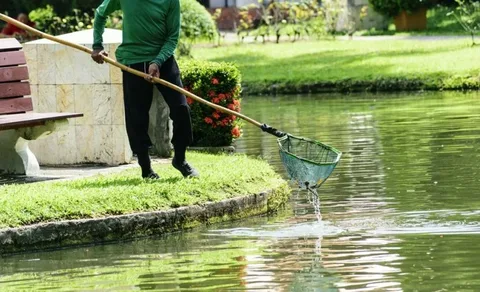
Leaves, twigs, and other floating material can usually be removed using pond nets or suitable equipment. Clearing this material regularly helps prevent it from decomposing in the water and adding excess organic matter.
Managing Sludge and Sediment
Sediment can gradually accumulate at the bottom of a pond. Excessive sludge may affect water quality and reduce the available depth. Depending on the pond, specialists may use pumps or other equipment to remove accumulated material carefully.
Controlling Algae
Some algae are a normal part of a pond ecosystem, but excessive growth can make the water unattractive and interfere with aquatic plants. Cleaning, improved circulation, appropriate planting, and reducing excess nutrients can all contribute to better pond conditions.
Protecting Fish and Wildlife During Cleaning
If a pond contains fish, frogs, newts, or other wildlife, cleaning should be planned carefully. Sudden changes to water conditions or careless removal of pond material can disturb aquatic life.
Professional cleaners can assess the pond before work begins and use appropriate methods for managing or temporarily relocating fish when necessary. Wildlife should always be handled responsibly and returned to suitable conditions after maintenance.
Choosing a Pond Cleaning Service
When comparing Pond Cleaning Essex providers, consider their experience, cleaning methods, equipment, and approach to aquatic wildlife. It is also useful to ask whether the service includes debris removal, sludge management, water treatment, and recommendations for ongoing maintenance.
A clear quotation should explain what work is included and whether additional services may be required depending on the pond’s condition.
Maintaining Your Pond After Cleaning
Cleaning is only one part of long-term pond care. Removing fallen leaves regularly, monitoring algae growth, maintaining aquatic plants, and checking water levels can help keep the pond in better condition.
For larger or heavily overgrown ponds, scheduled professional maintenance may be useful. With appropriate care, Pond Cleaning Essex services can help maintain a cleaner, more attractive, and healthier outdoor water feature throughout the year.
Conclusion
Pond maintenance requires more than simply removing visible debris. Managing sediment, algae, plant growth, and water quality can help preserve the pond and its surrounding landscape. Whether the pond is a small garden feature or a larger outdoor water body, a suitable cleaning and maintenance plan can make ongoing care more manageable.
