



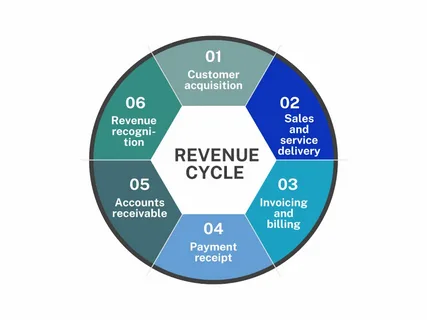
Healthcare reimbursement is often viewed as a simple transaction. A provider delivers care, submits a claim, and receives payment. In reality, the process is far more complicated. Behind every reimbursement is a relationship between healthcare organizations and insurance payers, and the strength of that relationship can significantly impact financial performance.
Many providers focus heavily on patient volume, staffing, and clinical operations while paying less attention to payer behavior. Yet insurance companies influence nearly every stage of the reimbursement process. From coverage requirements and prior authorizations to claim adjudication and payment timelines, payers play a major role in determining how efficiently revenue moves through an organization.
As reimbursement models become increasingly complex, healthcare organizations are placing greater emphasis on understanding payer trends and strengthening revenue cycle operations. Effective healthcare RCM strategies help providers navigate these challenges while improving financial stability.
Not All Insurance Companies Operate the Same Way
One of the biggest misconceptions in healthcare billing is the idea that all insurance carriers process claims similarly.
In reality, every payer has its own requirements, timelines, documentation standards, and reimbursement policies. A claim that processes smoothly with one carrier may experience delays when submitted to another.
These differences create challenges for healthcare organizations that work with dozens of insurance companies simultaneously.
Billing teams must understand payer-specific rules and remain current as policies change. Failure to do so often results in reimbursement delays, claim rejections, and increased administrative workload.
Strong rcm processes help organizations adapt to these differences and maintain consistency despite a constantly changing payer environment.
The Importance of Clean Claims
Insurance companies reward accuracy.
Claims that contain complete information, accurate coding, and proper documentation generally move through adjudication systems much faster than those requiring corrections or additional review.
Clean claims reduce friction between providers and payers. They minimize administrative costs and help accelerate reimbursement.
This is where effective medical claims management becomes extremely valuable.
Organizations that prioritize claim quality before submission often experience lower rejection rates and shorter payment cycles. Rather than spending resources correcting mistakes later, they focus on getting claims right the first time.
The cumulative financial impact of this approach can be substantial over the course of a year.
Why Front-End Processes Influence Payer Relationships
Many reimbursement problems begin before a patient receives treatment.
Insurance carriers expect providers to verify eligibility, obtain required authorizations, and submit accurate demographic information. When these steps are missed, claims become vulnerable to delays and denials.
Thorough eligibility verifidcation plays a critical role in preventing these issues.
By confirming insurance coverage before services are provided, healthcare organizations reduce uncertainty and improve claim accuracy. Staff members can identify policy limitations, referral requirements, and authorization needs before treatment occurs.
This proactive approach helps create smoother interactions with payers and reduces administrative friction throughout the revenue cycle.
Prior Authorizations Continue to Challenge Providers
Few administrative requirements generate more frustration than prior authorizations.
Insurance carriers use authorizations to manage healthcare costs and ensure medical necessity. Providers, however, often view the process as time-consuming and resource intensive.
Regardless of perspective, authorization compliance remains essential for reimbursement.
Claims submitted without required approvals frequently result in payment denials. Even clinically appropriate services may go unpaid if authorization requirements are not met.
Healthcare organizations that develop standardized authorization workflows typically experience fewer reimbursement issues and stronger payer relationships.
These processes also reduce stress on administrative staff who might otherwise spend significant time resolving preventable claim problems.
Analyzing Payer Performance Creates Opportunities
Many healthcare organizations collect extensive reimbursement data but fail to use it strategically.
Tracking payer performance can reveal important trends that influence financial outcomes.
Some carriers consistently process claims faster than others. Certain payers may generate higher denial rates. Others may frequently request supporting documentation or additional reviews.
Understanding these patterns allows organizations to make informed decisions.
Healthcare leaders can allocate resources more effectively, improve workflow design, and identify opportunities for operational improvement. Strong healthcare rcm programs often rely on payer analytics to support decision-making and financial planning.
Data transforms payer interactions from reactive exercises into proactive management opportunities.
Denials Provide Valuable Information
Denied claims are often viewed solely as financial setbacks. However, they can also serve as valuable sources of operational insight.
Every denial tells a story.
Some denials indicate registration issues. Others reveal authorization problems, coding errors, documentation deficiencies, or payer-specific compliance concerns.
Organizations that treat denials as learning opportunities often achieve stronger long-term results.
Comprehensive denial management programs focus on identifying patterns rather than simply correcting individual claims. When trends emerge, leadership teams can implement targeted improvements that reduce future denials.
Over time, effective denial management strengthens both reimbursement performance and operational efficiency.
Communication Improves Reimbursement Outcomes
Successful payer relationships depend on communication.
Healthcare organizations that maintain open lines of communication with payer representatives often resolve issues more quickly and gain greater insight into policy changes.
Regular communication helps providers understand evolving reimbursement requirements and avoid surprises.
This becomes particularly important when insurers introduce new billing guidelines, authorization rules, or documentation expectations.
Organizations that stay informed can adapt proactively instead of reacting after reimbursement problems occur.
Strong communication does not eliminate challenges, but it frequently makes those challenges easier to manage.
Technology Helps Bridge the Gap
Technology continues playing a larger role in payer-provider interactions.
Modern revenue cycle platforms automate many processes that previously required manual effort. Eligibility checks, authorization tracking, claim editing, and payment reconciliation can often be completed faster and more accurately through automated systems.
Automated eligibility verifidcation tools, for example, help providers identify coverage issues before appointments occur.
Advanced claim review software supports medical claims management by identifying potential errors prior to submission.
Analytics platforms provide visibility into denial trends, payer performance, and reimbursement patterns.
Together, these tools strengthen financial operations while reducing administrative workload.
Preparing for Value-Based Care Models
Healthcare reimbursement is gradually shifting away from traditional fee-for-service structures toward value-based care arrangements.
These models emphasize patient outcomes, quality measures, and cost efficiency.
As payment structures evolve, providers will need increasingly sophisticated revenue cycle strategies to maintain financial performance.
Healthcare organizations must monitor new reimbursement methodologies, track performance metrics, and adapt operational workflows accordingly.
Strong rcm foundations provide the flexibility needed to navigate these transitions successfully.
Organizations with mature revenue cycle programs often find it easier to adapt because they already possess the data, reporting capabilities, and operational discipline necessary for change.
Building Long-Term Financial Strength
Financial success in healthcare depends on more than collecting payments. It requires a deep understanding of how reimbursement systems function and how payer relationships influence revenue.
Organizations that invest in healthcare rcm capabilities gain greater visibility into financial performance and stronger control over reimbursement outcomes.
Through accurate medical claims management, comprehensive eligibility verifidcation processes, and proactive denial management strategies, providers can reduce administrative burdens while improving cash flow.
The relationship between healthcare organizations and insurance payers will likely remain complex for the foreseeable future. However, providers that approach reimbursement strategically can position themselves for long-term success.
By understanding payer behavior, leveraging technology, and continuously refining revenue cycle processes, healthcare organizations create stronger financial foundations that support growth, stability, and exceptional patient care.
