



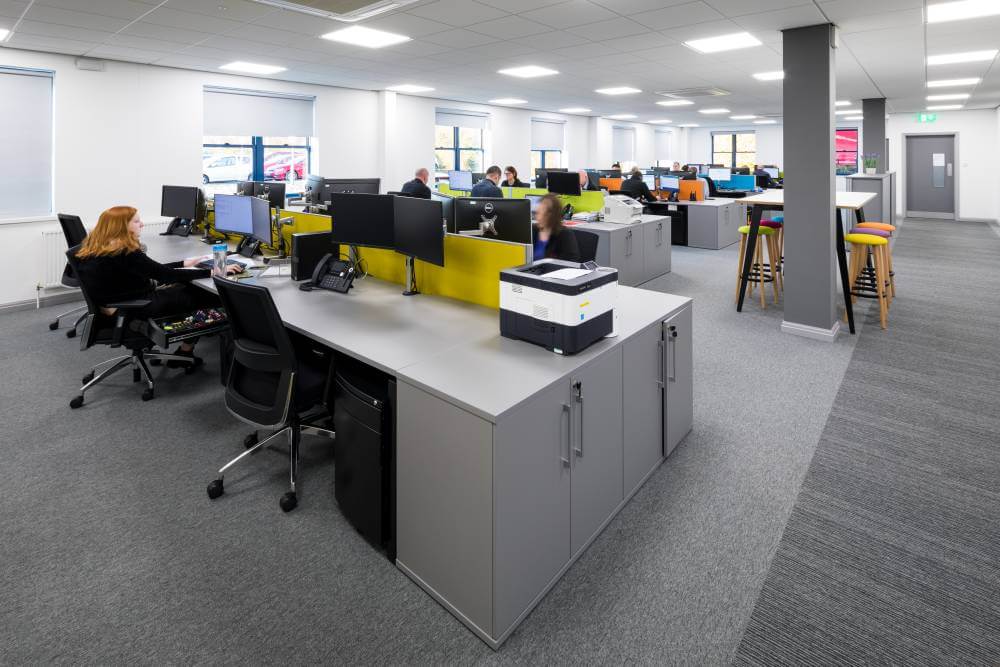
Walk into almost any modern office and you’ll notice pretty quickly whether the space feels good or just feels functional. The chairs are either something you could sit in for six hours without wincing or the kind that send you reaching for a heating pad by 3 PM. The desks are either spacious enough to spread out and think or they’re cluttered islands where productivity quietly drowns. Comfortable, organized, and purposeful doesn’t happen by accident; it starts with intentional office furniture design that puts the people who use the space front and center.
For businesses that operate out of commercial spaces, the furniture they choose is never just about aesthetics. It’s a decision that touches employee well-being, daily workflow, client impressions, and even long-term operating costs. Getting it right takes more thought than most people initially realize, and getting it wrong is a mistake that plays out every single workday.
Comfort Is Productivity in Disguise
There’s a reason ergonomics is taken seriously in modern workplace planning. When people sit for long hours without proper lumbar support, or their monitors are positioned at an angle that strains their necks, the impact isn’t just physical; it eats into their focus, their energy, and ultimately their output. Investing in ergonomically sound chairs, height-adjustable desks, and thoughtfully arranged workstations isn’t a luxury; it’s a smart business decision backed by health and safety research, including guidelines from organizations focused on ergonomic workspace safety tips for commercial environments.
When employees are comfortable, they stay focused longer and take fewer breaks due to discomfort. The math is simple: better furniture equals fewer distractions, and fewer distractions means more gets done. For companies managing large teams across open-plan offices or private suites, the cumulative difference in daily productivity is significant enough to justify the upfront investment several times over.
The Space Sends a Message Before Anyone Speaks
Think about the last time you walked into a business for a meeting or consultation. Before anyone introduced themselves or shook your hand, you’d already formed an impression of the company based on how the space felt. Was the reception area clean and welcoming? Did the conference room feel professional and organized? The furniture in those spaces is doing quiet but powerful communication work on behalf of the brand.
“The right furniture doesn’t just fill a room — it tells every visitor, employee, and client something about who you are as a company.”
Commercial office furniture that’s chosen with intention signals that a business takes itself seriously. It also tells employees they’re valued, which matters more than most employers realize. Workplace environment is a genuine factor in how engaged and motivated people feel at work, something well-documented by employee engagement productivity insights that consistently tie physical work conditions to overall job satisfaction and performance.
Flexibility Is the New Standard
The modern office isn’t one static thing anymore. Teams have grown more collaborative, more mobile, and more hybrid in how they work. A layout that made sense five years ago might be working against your team today. This is where modular, adaptable commercial furniture comes in: desks that reconfigure, seating that moves, and storage that scales with the team. Furniture that can evolve with your business saves you from having to reinvest every time your headcount or workflow changes.
Breakout areas, lounge zones, and collaborative corners have become just as important as the traditional desk-and-chair setup. These spaces give employees room to think, collaborate informally, or simply decompress for a few minutes—all of which contribute to a more engaged and creative workforce. Designing these spaces well requires commercial furniture that’s versatile enough to serve multiple purposes without looking chaotic.
Choosing the Right Partner Matters
One thing that often gets overlooked in office renovation or setup projects is that furniture selection isn’t just a purchasing decision; it’s a design and planning process. Understanding traffic flow, natural light, team size, and the types of work being done in each zone takes expertise that goes beyond picking items out of a catalog. Working with a knowledgeable commercial office furniture provider who can handle space planning, product selection, and installation end to end makes the entire process smoother and the results far more cohesive.
Whether you’re fitting out a brand-new space, refreshing an existing office, or scaling up to accommodate growth, the choices you make about furniture will shape how your team works, how your clients perceive you, and how well the space holds up over time. It’s one of those investments where thoughtfulness at the start pays dividends every day after.
The best commercial office environments aren’t just well-furnished — they’re well-planned. Taking the time to think through how furniture supports people, not just fills space, is what separates an office that functions from one that truly works.
