



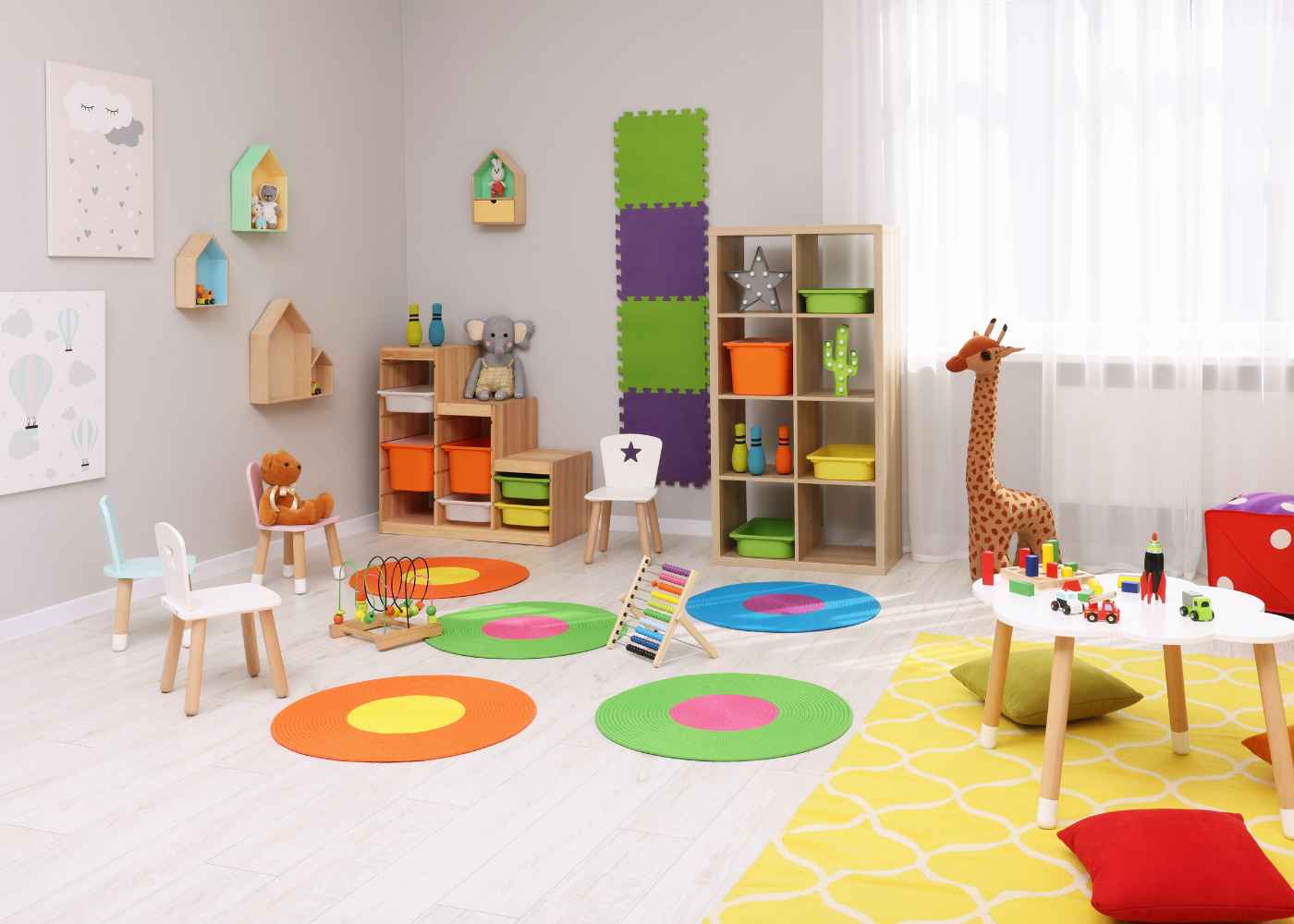
Parents preparing nurseries face countless decisions about what enters the space where their babies will sleep, play, crawl and grow. Every surface within reach of tiny hands deserves scrutiny because infants explore their worlds through touch and taste without understanding what might harm them. The paint covering cribs, rocking chairs, toy chests and wooden playthings matters far more than its color or finish. What that paint contains determines whether it poses risks to the most vulnerable members of any household.
Understanding why milk paint stands apart from conventional alternatives helps parents make informed choices about nursery safety.
Examining Traditional Paint Ingredients
Conventional paints contain volatile organic compounds that release gases into indoor air long after application. These chemicals contribute to that familiar new paint smell that many people associate with freshness but actually indicates ongoing off-gassing. In enclosed nursery spaces where babies spend hours sleeping, these emissions accumulate in ways that raise legitimate concerns.
Many standard paints also contain heavy metals, preservatives, fungicides and other additives designed to improve performance or shelf life. While regulations limit certain substances, the cumulative effect of multiple chemical ingredients remains difficult to assess, particularly for developing systems more vulnerable than adult bodies.
The synthetic binders holding conventional paints together add another layer of complexity. These petroleum-derived compounds do not break down naturally and may release particles as painted surfaces wear over time.
Understanding Milk Paint Composition
Milk paint traces its origins back centuries to a time when synthetic chemistry did not exist. The formula relies on simple organic ingredients, including milk protein, lime, clay and natural pigments. These components create a durable finish without requiring the chemical additives that modern paints depend upon.
The absence of volatile organic compounds means milk paint releases no harmful gases during application or afterward. Nurseries can be painted and occupied without waiting for the off-gassing periods that conventional paints require.
Choosing trusted companies like The Real Milk Paint Co. when purchasing milk paint ensures access to formulations tested and certified to meet Consumer Product Safety Commission requirements for children’s products. Their paint passes ASTM toy safety standards for soluble heavy metals and total lead content, providing documented verification that parents can trust.
Meeting Child Safety Standards
The Consumer Product Safety Commission establishes requirements that paints must meet before being considered safe for use on children’s products. These standards test for heavy metals that could leach from painted surfaces when children mouth toys or furniture. They also verify total lead content falls below thresholds known to cause harm.
Milk paint that meets these standards provides assurance backed by independent laboratory testing rather than marketing claims alone. The certification demonstrates that every color in a product line maintains the same safety profile, since all shades derive from the same base ingredients.
This formal compliance matters particularly for handmade furniture and toys where parents cannot rely on manufacturer safety testing. Applying certified milk paint to homemade items extends that protection to one-of-a-kind pieces that children will treasure.
Appreciating Environmental Benefits
The organic composition of milk paint extends its safety benefits beyond individual nurseries to broader environmental considerations. Ingredients sourced from natural materials break down harmlessly rather than persisting indefinitely in landfills or waterways.
Manufacturing processes for milk paint require less energy than those producing synthetic alternatives. The powder form in which quality milk paint ships reduces transportation weight and packaging waste compared to liquid paints requiring heavy containers.
Parents concerned about the world their children will inherit often find alignment between nursery safety choices and environmental values. Milk paint serves both priorities simultaneously without requiring compromise in either direction.
Achieving Beautiful Results Safely
Safety alone would justify choosing milk paint, but the aesthetic results reinforce that choice. The matte, velvety finish characteristic of milk paint suits nursery furniture beautifully. Colors appear soft rather than harsh, creating calming environments conducive to infant sleep and development.
The paint adheres to wood without extensive preparation, simplifying projects for parents refinishing vintage pieces or building new furniture. Multiple coats build depth without the plasticky appearance that acrylic paints sometimes produce.
Antique and distressed finishes develop naturally with milk paint, allowing aged pieces to tell visual stories through their surfaces. This quality appeals to parents furnishing nurseries with family heirlooms or deliberately cultivating vintage aesthetics.
Maintaining Painted Surfaces
Milk paint cures to a durable finish that withstands the handling nursery furniture receives. Protective topcoats can enhance durability for surfaces requiring additional water resistance or wear protection.
Repairs happen easily because new milk paint blends with existing applications without obvious overlap marks. Touch-ups after inevitable bumps and scratches maintain appearances without complete refinishing.
The long-term stability of properly applied milk paint means nursery furniture can transition through multiple children and eventually pass to future generations. What begins as a safety choice becomes part of family heritage that carries stories forward through time.
